
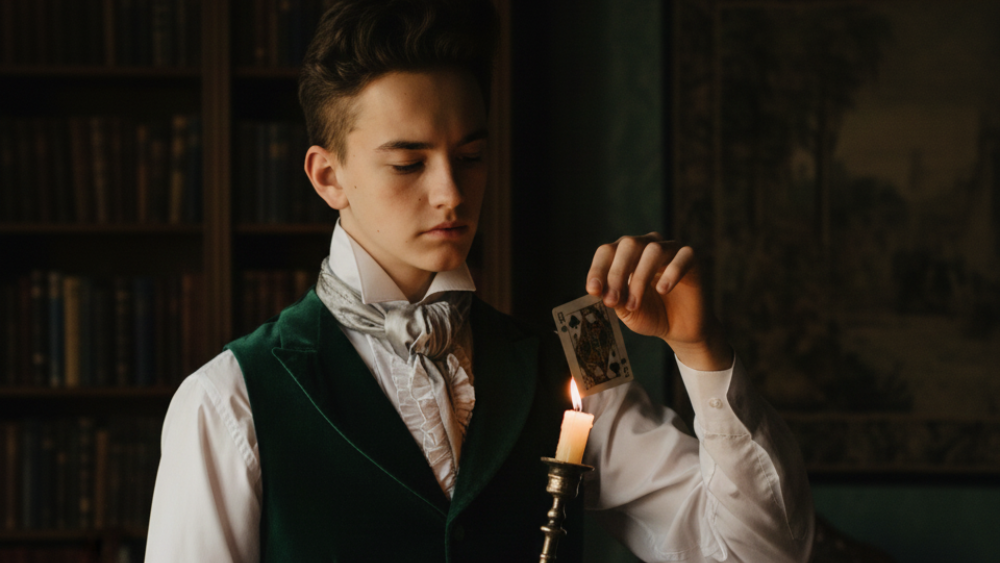

There is a moment every human remembers — the first time you felt wonder. Maybe it was when a coin disappeared from someone’s hand, or a card trick made you gasp, or a friend guessed the number you were secretly thinking of. Magic leaves fingerprints on memory. It creates a feeling most adults rarely get to experience anymore — disbelief mixed with joy.
Dubai is a city that understands spectacle. Its skyline itself looks like something pulled from imagination, not blueprints. Maybe that’s why magic feels at home here more than anywhere else. Events of every size weddings, corporate gatherings, private celebrations — are slowly rediscovering something powerful: wonder is a language that transcends age, culture, and conversation.
Why Magic Still Matters in an Adult World
We live in a world where everything is explained. We can Google any answer, predict nearly anything, and scroll through life instead of living it. That is exactly why magic is more valuable now than ever — it breaks that rhythm.
A great magician doesn’t simply perform tricks. They interrupt reality. They make rooms go silent. They pull people — even strangers — into the same emotional space.
That’s why event planners in the city are increasingly searching for hire magician Dubai when planning their celebrations. Not as a gimmick — but as a catalyst. A way to reconnect people with awe.
What Makes a Magic Performance Powerful?
Magic succeeds when three ingredients meet:
1 Suspense — a moment where you forget to breathe
2 Emotion — laughter, surprise, connection
3 Timing — silence when it matters, applause when it explodes
A magic show is not just performance — it is choreography. It is psychology. It understands how attention works, how surprise rewires the brain, and how laughter softens tension in a room.
You can watch a magician control a crowd without saying a word. Someone holds their breath. Someone else whispers, “How?” Someone claps before they mean to. It feels involuntary — because it is.
A Story Only Dubai Could Create
A corporate event inside a ballroom near JLT — sharply dressed executives sitting beside guests they barely know. The evening begins stiff. Silence. Forks clinking. A forced networking environment.
Then — a magician walks into the crowd, no stage, no microphone, just presence. He turns a business card into flame. A woman gasps loud enough that the entire table looks her way. Suddenly strangers have something to talk about.
Later that night, an executive admitted,
“We learned more about each other while watching magic than we ever did during meetings.”
Magic does what structured introductions cannot — it melts barriers.
Close-Up vs Stage Magic Choosing the Right Art for the Right Event
There is not just “magic.” There are forms, worlds, and experiences within it.
Close-Up Magic (Table-to-Table)
- Works best at dinners, weddings, private parties
- The magician moves through guests
- Creates intimate moments
- Guests feel personally involved
Stage Magic (Main-Show Experience)
- Ideal for corporate events, gala nights, brand launches
- Big tricks, illusions, lights, suspense
- A shared emotional climax for the whole audience
Mentalism / Mind-Reading
- Great for adults
- Works especially well at corporate gatherings
- Creates conversation that lasts for days
Choosing the right version depends on the emotional goal. Do you want people to feel involved? Or do you want a dramatic moment everyone watches together?
Companies like Box Entertainment, who have watched magic shift from “add-on entertainment” to cultural glue, often help hosts select the format that aligns with their event mood.
Why Magic Works Better Than Screens and Speeches
In a world full of digital overstimulation — neon screens, LED visuals, videos on loop — magic is a paradox. It is simple. It is human. It is analog wonder in a digital world.
People engage differently with things that feel impossible.
Take a corporate team that spends eight hours a day behind laptops. When a magician bends metal with his fingertips, suddenly those professionals are kids again. Their faces change. Their shoulders drop. They are present.
Magic forces presence.
Presence creates connection.
Connection creates memory.
That emotional sequence is why magic belongs at events — not as decoration, but as ignition.
The Emotional Science Behind Wonder
Psychologists call the sensation magic creates a “disruption of cognitive expectation.” That disruption does something profound to the brain:
- It releases dopamine (pleasure)
- It increases bonding chemicals like oxytocin
- It lowers stress levels
- It boosts social openness
Suddenly, people who were strangers an hour ago are laughing like longtime friends.
Wonder is not childish — it is chemically social.
Kids, Adults, and the Shared Language of Awe
Magic is one of the few art forms that speaks across generations. A six-year-old may watch a magician vanish a card and giggle uncontrollably. A sixty-year-old may watch the exact same trick — and whisper, “Impossible.”
It is the same moment. Two very different reactions. But both emotional. Both connective.
That is the power of magic at weddings, private dinners, and especially gatherings meant for families — because no one is left out of the experience.
When Do You Use Magic at Events?
Understanding timing is everything.
Magic works best when:
- Guests are mingling before a meal
- Energy dips and needs to be revived
- Two sides of a family are meeting for the first time
- Corporate guests need help breaking tension
- Weddings require softer, emotional transitions between formalities
Magic can be loud or soft. A show. Or a whisper. A spectacle or a secret.
How Dubai Uses Magic Differently
Dubai has made magic feel modern. Performances here often include:
- LED props
- Illusions blended with cultural music
- Mind-reading with audience participation
- Tricks themed around weddings, brands, or family stories
There is a reason requests for magic show UAE continue to rise — people want events that feel custom, not copied.
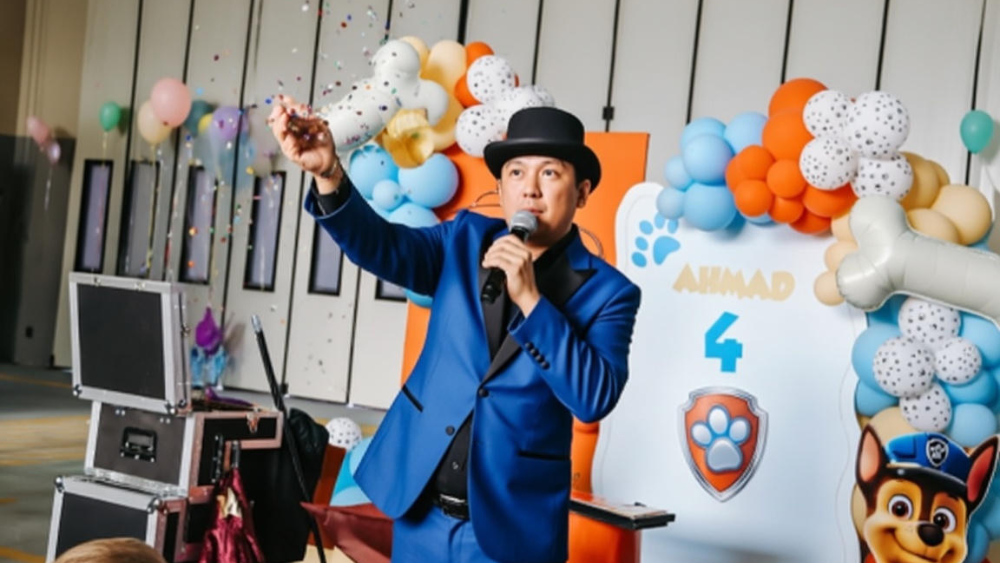
Behind the Curtain — The Professional Difference
Anyone can YouTube a trick. But only a trained magician understands pacing, emotional flow, and how to interpret a room.
That is why hosts often want someone vetted — someone who knows how to enter a crowd without interrupting conversations and how to leave before a moment overstays.
Entertainment companies like Box Entertainment don’t simply “book a magician.” They select performers based on event psychology — choosing talent that complements, rather than dominates, a celebration.
Final Thought — Wonder Is Not Optional
Life is heavy sometimes. Work piles up. Screens replace conversations. People forget what awe feels like.
Magic brings that back.
It gives adults permission to feel young again. It gives children a belief that the world still has secrets. And at events in Dubai — it gives strangers something to laugh about together.
If you want a moment people won’t forget — a moment people talk about while driving home, or years later at dinner — you don’t need fireworks.
Sometimes, you just need wonder.
