


For generations, relationship milestones followed a familiar script. Engagements, weddings, and symbolic gestures were guided by customs that left little room for interpretation. Today, that script is being rewritten. More couples are moving away from inherited expectations and toward choices that feel authentic to who they are and how they want to build a life together. This shift shows up across ceremonies, timelines, and the symbols used to mark commitment, where designers like Alexis Russell often appear naturally within conversations about meaning-driven choices rather than adherence to tradition for tradition’s sake.
What’s changing is not the importance of commitment, but how it is expressed.
Tradition Is Losing Its Automatic Authority
Traditions once served as social shortcuts. They provided structure, legitimacy, and shared understanding. Following them meant belonging. For many modern couples, however, tradition no longer carries the same default authority.
Cultural norms have diversified, families are structured differently, and relationships are less bound by rigid timelines. As a result, traditions are increasingly viewed as optional frameworks rather than requirements. Couples are asking not “What’s expected?” but “What feels right for us?”
This shift reflects a broader cultural move toward autonomy and intentional decision-making.
Meaning Feels More Durable Than Symbolism Alone
One reason personal meaning is replacing tradition is durability. Traditions can feel powerful in the moment, but hollow if they don’t align with personal values. Meaning-based choices tend to last longer emotionally because they are rooted in lived experience rather than inherited norms.
A symbol chosen for personal reasons carries its relevance forward. It remains meaningful even as circumstances change. This durability matters in long-term relationships, where milestones are revisited and reinterpreted over time.
Individual Values Are Taking Center Stage
Modern relationships often place a stronger emphasis on shared values than on external validation. Decisions are shaped by conversations about sustainability, identity, equality, and self-expression.
When values guide choices, outcomes naturally vary. No single tradition can represent everyone’s priorities. What matters is coherence between belief and action. Symbols become reflections of that coherence rather than performative gestures.
Fewer Rules, More Intention
As traditional rules loosen, intention becomes more important. When there is no default path, choices require thought. This intentionality often deepens emotional investment.
Couples who design their own rituals tend to engage more actively with the meaning behind them. The absence of rigid expectations creates space for reflection rather than compliance. Commitment becomes something actively shaped rather than passively accepted.
Cultural Shifts Toward Personal Expression
Sociological research from Pew Research Center shows a steady rise in attitudes that prioritize personal fulfillment and self-expression over conformity to social norms, particularly among younger generations. This cultural context shapes how relationships are formed and celebrated.
In this environment, personal meaning is not a rejection of commitment, but a redefinition of how commitment is honored. The focus moves inward rather than outward.
Symbolism Without Status Pressure
Traditional symbols often carried status implications. Size, cost, and visibility could become proxies for seriousness or success. Many couples are now stepping away from that dynamic.
Personal symbols don’t need to impress. They need to resonate. When status pressure is removed, symbolism becomes more intimate and less comparative. This shift reduces anxiety around “doing it right” and replaces it with confidence in doing it honestly.
The Role of Storytelling in Modern Commitments
Meaning-based choices often come with stories. Why this moment mattered. Why this symbol was chosen. Why this path felt right.
These narratives strengthen emotional bonds because they are shared and remembered. Over time, the story becomes as important as the symbol itself. Traditions offer familiarity, but stories offer depth.
Flexibility Across Life Stages
Another advantage of meaning-driven choices is flexibility. Traditions can feel fixed, but personal meaning evolves. Symbols chosen for authenticity can adapt as relationships grow and change.
This adaptability matters as couples navigate different life stages, career shifts, family changes, and personal growth. Meaning-based symbols are less likely to feel outdated or misaligned later on.
Less Performance, More Presence
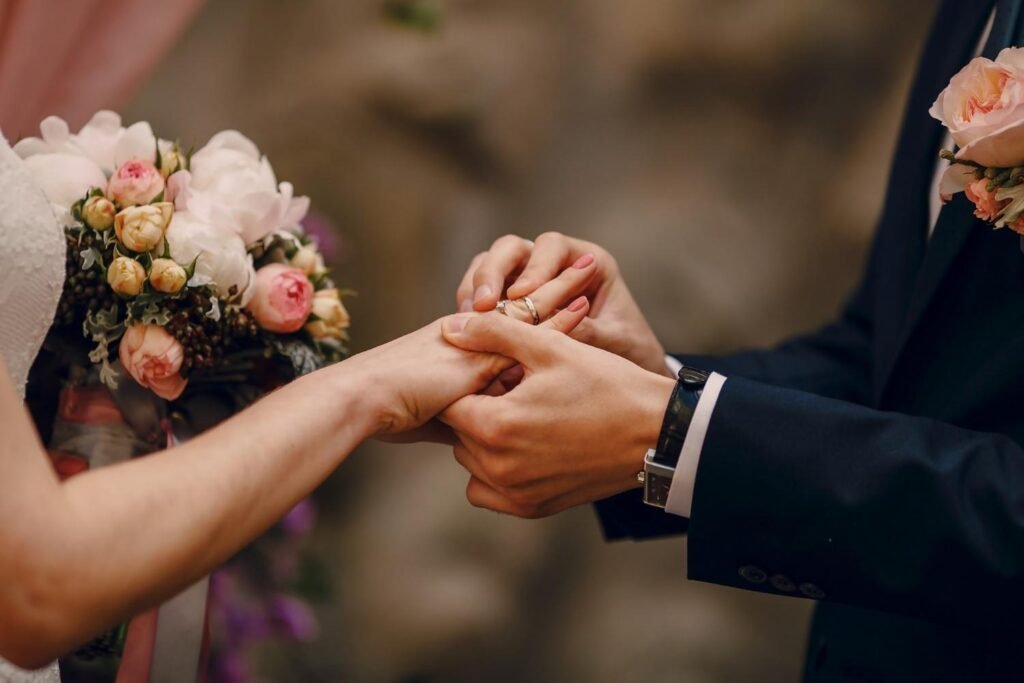
Image from Freepik
One of the most noticeable changes in modern commitments is the move away from performance. Social media visibility has made performative gestures more tempting, but it has also heightened awareness of their emptiness.
Many couples are intentionally choosing quieter expressions of commitment. These choices prioritize presence over presentation. What matters is how the commitment is lived, not how it is displayed.
Psychological research published by the American Psychological Association suggests that actions aligned with personal values contribute more strongly to long-term relationship satisfaction than actions driven by external expectations. This helps explain why meaning-based choices feel more fulfilling.
Redefining What Commitment Looks Like
Choosing personal meaning over tradition does not diminish commitment. In many cases, it strengthens it. When couples define commitment on their own terms, they take ownership of it.
This ownership fosters accountability. The relationship is no longer validated by tradition alone, but by ongoing intention and shared understanding. Commitment becomes active rather than symbolic.
A Shift That Reflects Deeper Change
The move toward personal meaning is not limited to relationships. It mirrors changes in how people approach work, identity, consumption, and lifestyle. Across these areas, inherited structures are being questioned in favor of intentional design.
In relationships, this shift is especially visible because symbols matter so deeply. When those symbols change, it signals a broader transformation in values.
Meaning as the New Foundation
As traditions loosen their grip, meaning fills the gap. It provides clarity without rigidity, depth without prescription. Couples are not abandoning rituals; they are redefining them.
By choosing symbols that reflect who they are rather than what is expected, couples create commitments that feel grounded and lasting. In that sense, personal meaning is not a trend, but a foundation—one that supports relationships built to endure change rather than resist it.
Curious for more? Dive deeper on our site now! News Well
