
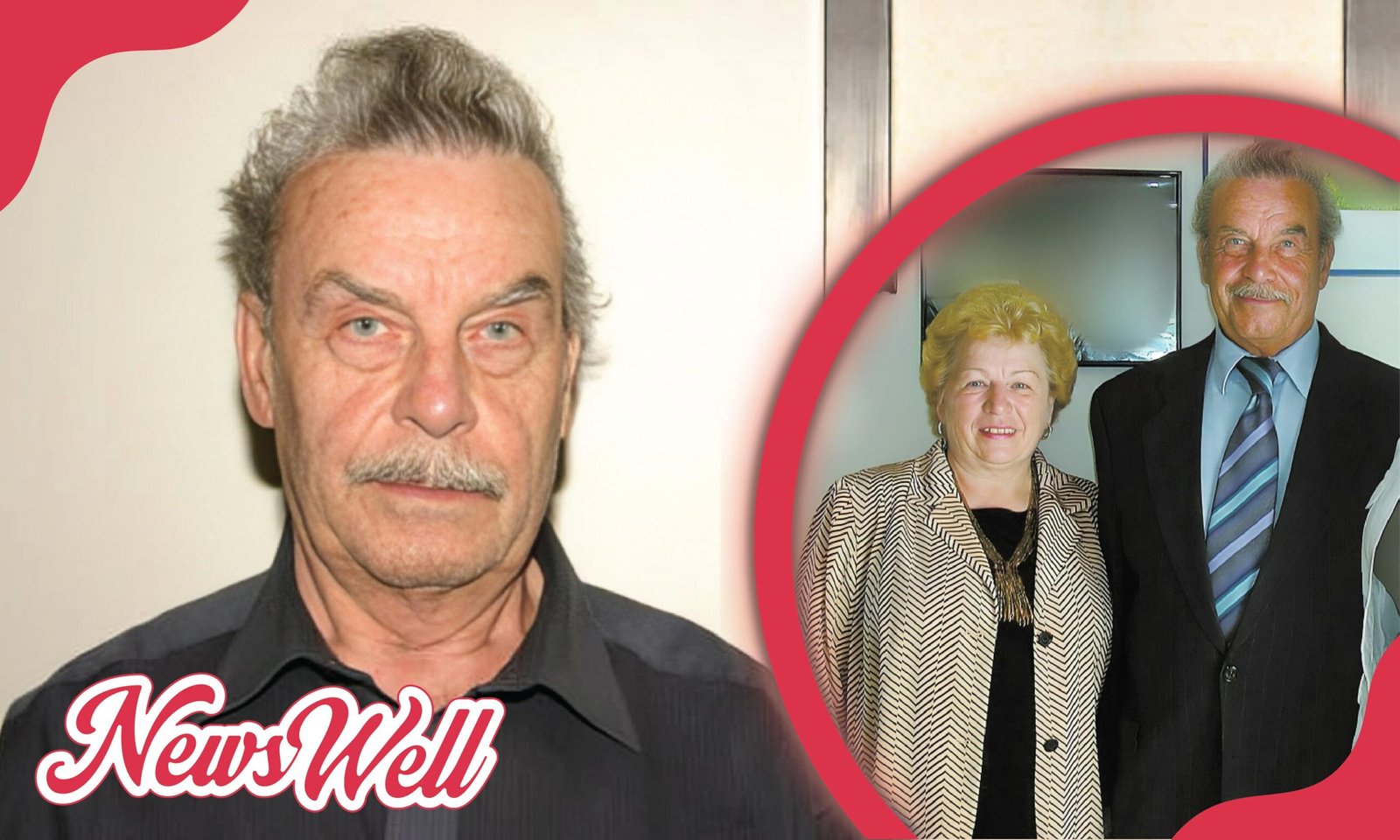

The story of the Amstetten horror is one of the darkest chapters in modern criminal history. While the world knows the name of the perpetrator, Josef Fritzl, and the resilient survivor, his daughter Elisabeth, there is a third figure who lived in the shadows of this tragedy for twenty-four years: Rosemarie Fritzl. As the wife of a man who enslaved their daughter in the basement of their family home, Rosemarie’s role has been dissected, questioned, and ultimately pitied. Was she a silent accomplice, or was she another victim of a master manipulator?
In 2025, nearly two decades after the crimes were exposed, the questions remain. Who is Rosemarie Fritzl? Where is she now? And how did a mother live just meters away from her captive daughter without ever discovering the truth? This article delves into the deepest details of her life, the investigation, and her existence today.
Quick Bio of Rosemarie Fritzl
| Feature | Details |
| Full Name | Rosemarie Fritzl |
| Birth Year | 1939 |
| Age (2025) | 86 Years Old |
| Nationality | Austrian |
| Ex-Spouse | Josef Fritzl (m. 1956–2012) |
| Famous For | Ex-wife of the Amstetten perpetrator |
| Children | 7 (including Elisabeth Fritzl) |
| Grandchildren Raised | 3 (Lisa, Monika, Alexander) |
| Current Residence | Near Linz, Austria |
| Status | Alive and Retired |
| Relation to Victim | Mother of Elisabeth Fritzl |
| Criminal Charges | None (Cleared of all suspicion) |
The Early Life of Rosemarie Fritzl
To understand the tragedy, we must first look at Rosemarie Fritzl young. Born in 1939 in Austria, Rosemarie came from a generation that valued obedience and traditional family structures. She met Josef Fritzl when she was just a teenager. By the time they married in 1956, she was only 17 years old, and Josef was already displaying the controlling behavior that would define their relationship.
Rosemarie Fritzl became a mother at a young age, eventually giving birth to seven children with Josef. For decades, she played the role of the dutiful housewife in the town of Amstetten. Her life was centered around raising her children and maintaining the household, while Josef worked as an electrical engineer. To the outside world, they appeared to be a standard, if somewhat strict, Austrian family. However, behind closed doors, Josef was a tyrant who did not tolerate dissent. This dynamic of fear and absolute control was the foundation that allowed his later crimes to go undetected.
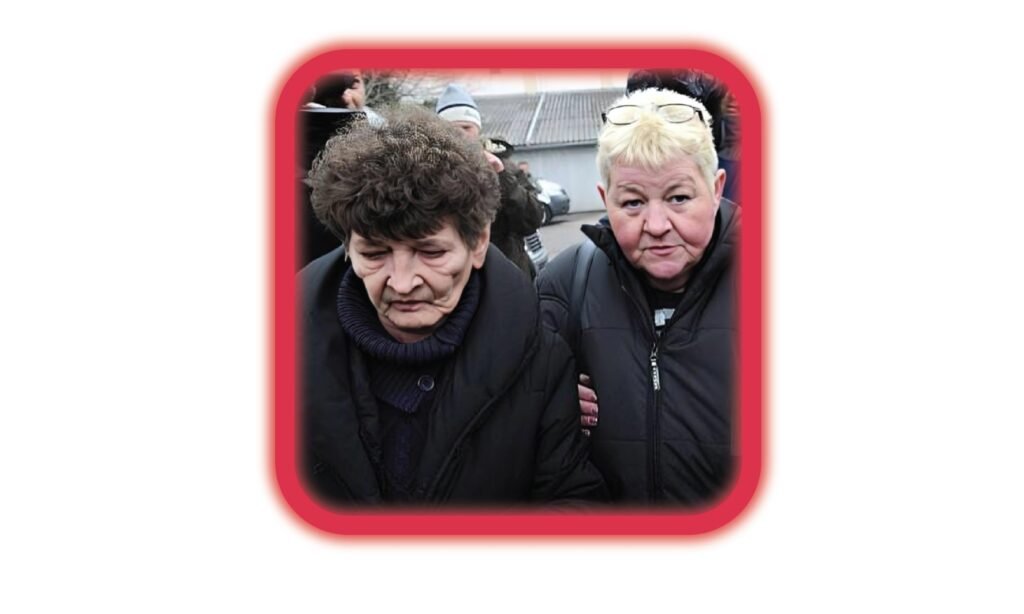
The Disappearance: The “Religious Cult” Lie
The nightmare began on August 28, 1984. Their 18-year-old daughter, Elisabeth Fritzl, disappeared. In reality, Josef had lured her into the basement to “help him with a door,” only to drug her and lock her in a cramped, soundproof dungeon he had spent years secretly constructing.
When Rosemarie Fritzl asked where their daughter had gone, Josef presented a story that would hold for twenty-four years. He claimed that Elisabeth had run away to join a religious cult. To support this lie, Josef forced Elisabeth to write letters from the basement, which he then mailed from different towns to make it look like she was traveling.
Did Rosemarie Fritzl know what was going on? The evidence suggests she did not. When Josef showed her the letters, she believed them. The idea that her rebellious teenage daughter had fled to a sect was plausible enough to a mother who had no reason to suspect that her husband was capable of such monstrosity. For decades, Rosemarie Fritzl lived with the heartbreak of a “missing” child, unaware that Elisabeth was directly beneath her feet.
Life Upstairs: Raising the “Grandchildren”
One of the most bizarre and disturbing aspects of the case involves the Rosemarie Fritzl grandchildren. During her captivity, Elisabeth gave birth to seven children fathered by her own father. While three of these children remained in the dungeon, Josef decided that the basement was too crowded for all of them.
Over the years, Josef staged the “abandonment” of three infants: Lisa, Monika, and Alexander. He would take a newborn from the basement in the middle of the night and place the baby outside the house or in the bushes. He would then “discover” the child the next morning, along with a note allegedly from Elisabeth claiming she could not care for the baby in the cult.
Rosemarie Fritzl took these children in without hesitation. She became the adoptive mother to her own grandchildren, raising them in the main house. She fed them, clothed them, and loved them. Neighbors often saw Rosemarie Fritzl pushing a pram or walking the children to school. To the community, she was a saint a grandmother stepping up to care for abandoned children. This act of kindness makes the reality even more tragic: while she was nurturing three of Elisabeth’s children upstairs, the other three Kerstin, Stefan, and Felix were rotting in the cellar without sunlight or fresh air.
The Basement Reality vs. The Upstairs Life
The contrast between the two worlds in the Fritzl house was stark. Upstairs, Rosemarie Fritzl maintained a clean, middle-class home. There were family dinners, school runs, and holidays. Downstairs, in a space no larger than a small apartment, Elisabeth and her cellar children lived in squalor, fear, and darkness.
Josef Fritzl lived a double life that is hard to comprehend. He would eat dinner with Rosemarie Fritzl and the upstairs children, then disappear into the basement for hours, claiming he was working on blueprints or machines. He forbade Rosemarie from ever entering the basement, calling it his private workspace. Because Josef was known to be domineering and secretive about his work, Rosemarie never challenged him. She never saw the heavy steel doors or the electronic locking mechanisms hidden behind a shelf in his workshop.
Did Rosemarie Fritzl Know?
This is the question that has haunted the public since 2008: Did Rosemarie Fritzl know the truth?
After the crimes were uncovered, the Austrian police conducted an exhaustive investigation. They interviewed Rosemarie Fritzl for countless hours. They analyzed her behavior, her finances, and the layout of the house. The conclusion was definitive: Rosemarie Fritzl was not involved. She was completely unaware of the prison beneath her home.
Psychologists explain this through the lens of Josef’s absolute control. He had conditioned Rosemarie Fritzl to never question him. Furthermore, the “cult” story provided a logical explanation for everything. The letters from Elisabeth were physical proof in Rosemarie’s eyes. The arrival of the babies confirmed that Elisabeth was out there somewhere, unable to cope. Rosemarie was a victim of a sophisticated, decades-long gaslighting campaign. She was not a villain; she was a pawn in Josef’s sick game.
The Discovery: How the House of Cards Fell
The lie collapsed in April 2008. Kerstin, the eldest daughter living in the basement, became critically ill with kidney failure. Elisabeth begged her father to get medical help. Reluctantly, Josef agreed to take Kerstin to the hospital.
When doctors examined the unconscious teenager, they found a note in her pocket written by Elisabeth. The medical staff grew suspicious when the “grandfather,” Josef, could not explain the girl’s medical history. They launched a public appeal for the mother to come forward. Josef eventually brought Elisabeth out of the basement to the hospital, leading to his arrest.
The moment of revelation was shattering for Rosemarie Fritzl. When police informed her that her husband had been keeping their daughter as a sex slave for 24 years, she reportedly collapsed in shock. The reality that the “cult” was a lie, and that the noises she had heard for years were not machinery but her own family, was too much to process.
The Reunion and The Divorce
In the immediate aftermath of the release, Elisabeth Fritzl and Rosemarie Fritzl were reunited. Reports from 2008 describe an emotional scene where the two women held each other and wept. Rosemarie Fritzl repeatedly apologized, saying, “I had no idea.”
However, the relationship was complex and strained. Elisabeth had spent 24 years wondering why her mother never came for her. While police cleared Rosemarie of criminal wrongdoing, the emotional wounds were deep. Elisabeth reportedly struggled with her mother’s passivity. How could a mother not know? How could she not have fought harder to check the basement?
These tensions came to a head quickly. Although they initially stayed in the same psychiatric clinic for protection, Elisabeth eventually asked Rosemarie Fritzl to live separately. The dynamic was too painful.
In 2012, Rosemarie Fritzl took the final step to sever ties with her past: she divorced Josef Fritzl. She stopped visiting him in prison and sought to erase him from her life entirely.
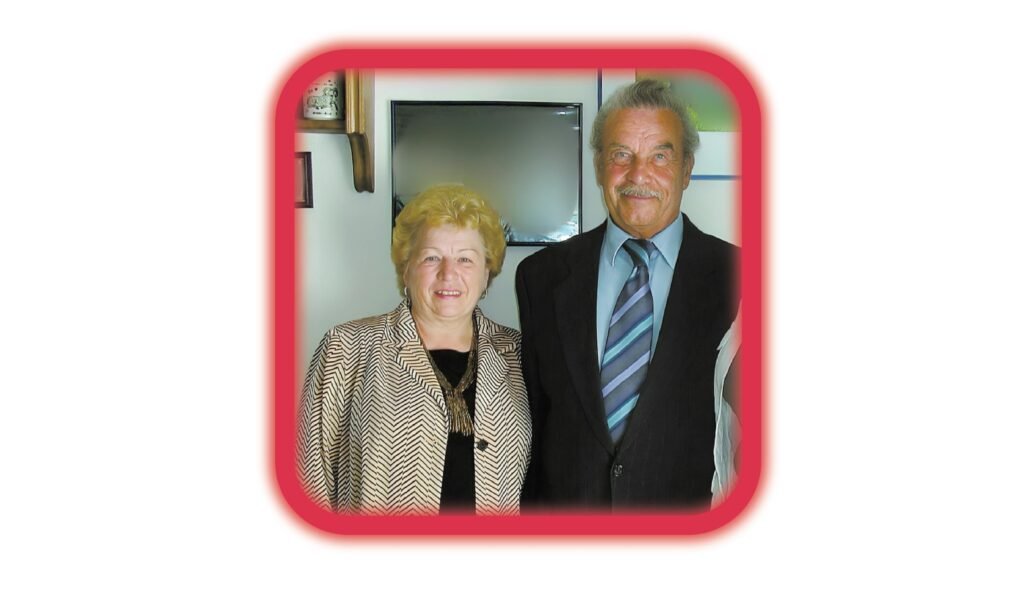
Where is Rosemarie Fritzl Now? (2025 Update)
As of 2025, many wonder: is Rosemarie Fritzl alive? Yes, she is. Now in her mid-80s, she lives a life of extreme privacy.
Rosemarie Fritzl now resides in a small apartment in Linz, Austria, having left the notorious house in Amstetten years ago. She lives on a modest pension and has been known to sell homemade paintings and bags to supplement her income. She has rejected all offers for interviews, books, or documentaries. She wants nothing to do with the fame that her husband’s infamy brought her.
Regarding Josef Fritzl and Rosemarie Fritzl, there is zero contact. In 2024, Josef Fritzl was transferred from a psychiatric unit to a regular prison due to his advancing dementia. Reports indicate he often forgets where he is or believes he is a pop star. Rosemarie Fritzl has shown no interest in his declining health. For her, the man she married died the day the truth came out in 2008.
The Children and The Legacy
The Rosemarie Fritzl children both her own and the grandchildren she raised have all moved on. The three children Rosemarie raised (Lisa, Monika, Alexander) had to undergo intense therapy to reconcile the fact that their “grandfather” was their father and their “adopted mother” was their grandmother. They have since changed their names and live anonymously in Austria.
The “cellar children” Kerstin, Stefan, and Felix also had to learn to live in a world they had never seen. They, along with Elisabeth, live in a fortress-like home in a secret Austrian village, often referred to as “Village X.”
Rosemarie Fritzl remains a figure of pity and tragedy. The search term “Rosemarie Fritzl death” often trends as people check on her status, but she quietly perseveres. She is a woman who lost her daughter twice: first to a lie, and then to the trauma of the truth.
Conclusion
Who is Rosemarie Fritzl? She is often called the “forgotten victim” of the Amstetten case. While she was not locked in a physical cage, she was imprisoned by a web of deceit constructed by a sociopath.
Today, Rosemarie Fritzl lives quietly in Linz, far removed from the horror of the girl in the basement true story. She is an elderly woman trying to live out her final years in peace, carrying the burden of a past that the world will never forget. Her story serves as a chilling reminder of how easily evil can hide in plain sight, and how a person can be blinded by trust and fear.
Rosemarie Fritzl did not know what was happening in her own home, but the price she paid for that ignorance was her family, her marriage, and her peace of mind. As we look at Rosemarie Fritzl today, we see a survivor who has chosen silence over spectacle, trying to find some semblance of normalcy after living through a nightmare.
Curious for more? Dive deeper on our site now! News Well
