
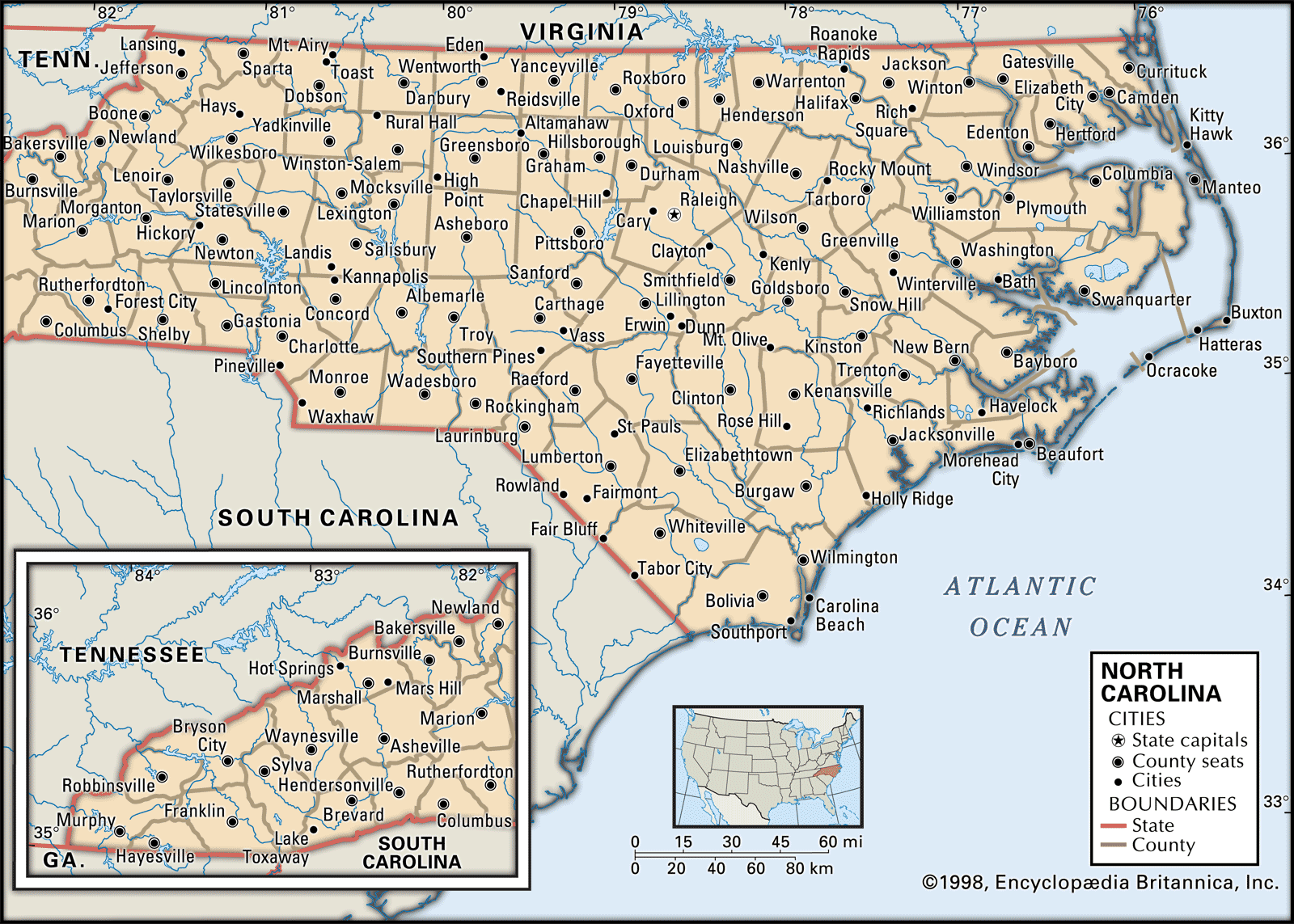

For your North Carolina property search, you’ll want to use multiple platforms like Zillow, Realtor.com, Redfin, and the NC Regional MLS to maximize your options. Filter by region, price range, and zip code to narrow results fast. Before committing, always check property records for liens, tax delinquencies, and permit history. North Carolina’s markets vary dramatically from the mountains to the coast, and there’s a lot more to uncover about finding the right fit.
The Best Sites for Your North Carolina Property Search
When searching for property in North Carolina, you’ll want to start with the right tools. Zillow, Realtor.com, and Redfin offer extensive listings with filters for price, location, and property type.
The North Carolina Regional MLS provides locally sourced data, giving you more accurate and up-to-date listings. For land-specific searches, LandWatch and LandAndFarm are excellent choices.
County-level tax assessor websites let you verify ownership records and property values directly. Each platform offers unique advantages, so using multiple sites simultaneously increases your chances of finding the right property faster and more efficiently.
How Do NC’s Regional Markets Differ From Mountains to Coast?
North Carolina’s diverse geography creates vastly different real estate markets, and understanding these regional distinctions can sharpen your property search considerably.
Western mountain communities like Asheville offer cooler climates, outdoor recreation, and a booming arts scene, driving competitive prices.
The Piedmont’s Research Triangle and Charlotte metro deliver strong job markets and urban amenities, attracting professionals and investors alike.
Eastern coastal areas, including the Outer Banks and Wilmington, appeal to vacation-home buyers and retirees seeking waterfront access.
Each region carries unique pricing trends, seasonal demand patterns, and zoning regulations, so you’ll want to research your target area’s specific market dynamics thoroughly.
How to Filter NC Properties by Location and Budget
Once you’ve identified which region of North Carolina fits your lifestyle and investment goals, narrowing your search by location and budget becomes your next practical step. Use platforms like Zillow, Realtor.com, or the North Carolina Regional MLS to apply filters for county, city, zip code, and price range.
Set a realistic maximum price based on pre-approval, not just preference. Factor in property taxes, HOA fees, and flood zone costs, which vary notably across regions. Coastal properties carry higher insurance burdens, while mountain parcels may include well and septic expenses.
Layering these filters saves time and surfaces only genuinely viable options.
Red Flags to Spot in North Carolina Listings
Spotting red flags in North Carolina listings can save you from costly mistakes before you ever schedule a showing. Watch for vague descriptions that omit square footage, lot size, or year built.
Photos showing only select rooms often hide damage elsewhere. Listings with repeatedly reduced prices may signal unresolved issues.
Be cautious when sellers decline pre-inspection or push unusually fast closings. In flood-prone NC areas like coastal counties, verify FEMA flood zone status independently.
Missing HOA disclosures, unclear property boundaries, and tax records that don’t match listing details all deserve serious scrutiny before you move forward.
What Can NC Property Records Tell You Before You Buy?
Before you submit an offer, North Carolina property records can reveal critical details that no listing description will volunteer. You’ll find ownership history, outstanding liens, tax delinquencies, and recorded easements that directly affect how you can use the land.
Deed records confirm whether the seller actually holds clear title. Tax records expose unpaid balances you’d inherit at closing. Plat maps show boundary lines and right-of-way restrictions.
If permits were pulled for renovations, you can verify the work was properly approved. Accessing these records through your county register of deeds or the NC Department of Revenue costs little but protects everything.
Frequently Asked Questions
What Are the Typical Closing Costs for Buying Property in North Carolina?
You’ll typically pay 2%–5% of the home’s purchase price in closing costs. These include lender fees, title insurance, attorney fees, property taxes, and homeowner’s insurance.
Budget accordingly to avoid surprises at closing.
How Long Does the North Carolina Property Purchase Process Usually Take?
You’ll typically complete a North Carolina property purchase in 30 to 60 days.
Once you’re under contract, you’ll navigate due diligence, inspections, financing approval, and closing, though complex transactions can stretch the timeline longer.
Do I Need a Real Estate Attorney for NC Property Transactions?
Yes, you’ll need a real estate attorney in North Carolina! Unlike many states, NC requires an attorney to handle closing and title work. They’ll review documents, conduct the title search, and guarantee your transaction is legally protected.
What Property Taxes Should I Expect After Buying in North Carolina?
You’ll pay property taxes based on your home’s assessed value, multiplied by your county’s tax rate. Rates typically range from 0.5% to 1.2% annually.
You can expect your first bill after closing.
Are There First-Time Homebuyer Assistance Programs Available in North Carolina?
Yes, you’ll find several first-time homebuyer assistance programs in North Carolina!
The NC Home Advantage Mortgage offers down payment help, and the NC 1st Home Advantage Down Payment provides up to $15,000 in assistance.
Conclusion
You’ve now got everything you need to tackle your North Carolina property search with confidence. Whether you’re eyeing a mountain retreat, coastal getaway, or suburban home, you know which sites to use, how to filter by location and budget, and what red flags to avoid. Don’t skip digging into property records—they’ll reveal critical details before you commit. Start your search today and find the NC property that’s perfect for you.
