
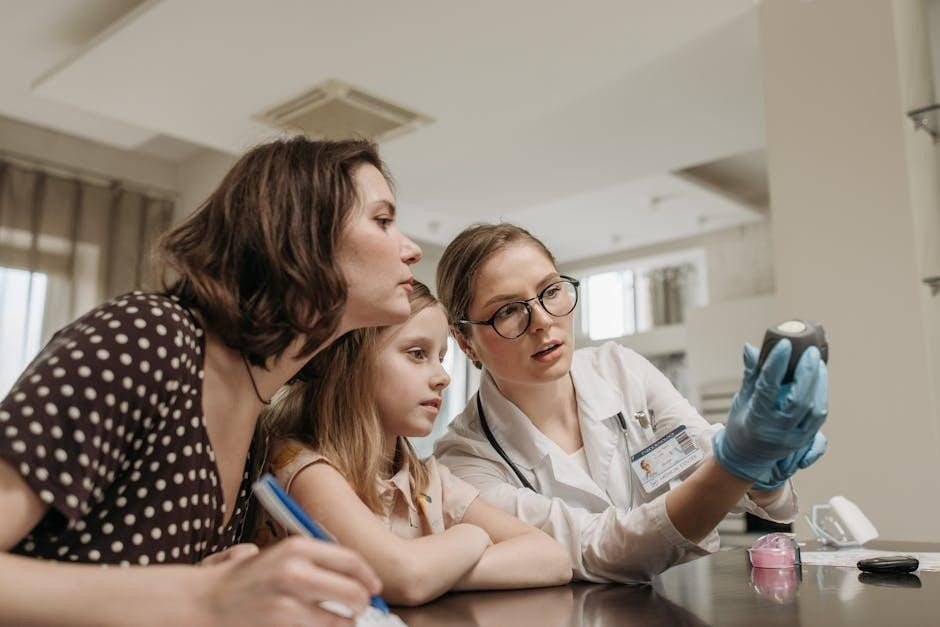

Technology now moves at a pace so rapid that yesterday’s marvels look quaint by breakfast. Clinics once filled with stacks of paper now hum with the quiet glow of screens, while even the stethoscope, once the ultimate symbol, shares space with apps and algorithms. Today’s patients message doctors in real time, track heart rates on watches, and self-diagnose, sometimes for better or worse. Trust has morphed, and expectations have shifted. Some call it progress. Others feel uneasy. The reality cannot be ignored: new tools shape how people communicate about health, challenge old hierarchies, and draw medical expertise closer to where life actually happens.
Online Consultation Goes Mainstream
While browsing the internet for symptoms is not new, legitimate online GP services have gained prominence recently. Take online portals, such as Anytime Doctor (www.anytimedoctor.co.uk). They are fusing technology and trust, offering CQC-registered doctors who review patient questionnaires online and then prescribe as clinically appropriate, all without anyone leaving home. Flimsy chatbots? Not here. This initiative is about registered GPs providing proper care via secure digital channels. Home testing kits further expand what used to be considered “remote”. The core equation is simple: speed plus convenience equals happier patients, but only when high standards are embedded every step of the way.
Apps Replace Waiting Rooms
Who would have guessed that mobile phones could house an entire clinic? Previously, anxious callers would wait in long queues at reception desks or on endless phone lines to book appointments. Now access looks like tapping an app icon during lunch break and booking blood tests or video consultations on demand. Frustration drops when patients take charge of their schedules instead of being subject to surgery opening hours. There’s more personal agency packed into these pocket-sized devices than most realise, not just for booking, but also for tracking medication and receiving reminders that clinical teams can monitor too.
Data at Every Turn
The modern patient creates a data trail wherever they go, with heart rate monitors on wrists, sleep apps under pillows, and glucose trackers in pockets (sometimes all three before 9 am). This tidal wave of information changes everything about care delivery. Doctors no longer rely solely on hurried recollections from nervous patients sitting in exam rooms. Instead, real-time information is conveyed through actual numbers, providing a level of comfort. Of course, there are risks accompanying this bounty: privacy needs ironclad protection, while clinicians require tools (and patience) to filter signals from noise. Otherwise, mountains of graphs threaten to overwhelm both sides.
Shifting Roles and Expectations
Are we still engaging with traditional authority figures in white coats? That stereotype loses relevance quickly as partnerships emerge between patients and practitioners who share digital information streams. People want explanations, not prescriptions alone. They arrive prepared, ready to discuss options rather than automatically accepting directives. Online forums promote community learning. Video calls make distance nearly meaningless, except in patchy Wi-Fi zones. Follow-up can happen instantly or asynchronously, so advice fits busy schedules instead of dictating them. Healthcare’s future lies less in doctor-as-oracle stories than in networks built on mutual understanding, and responsive tech knits those webs together tighter every year.
Conclusion
So, what’s next? Digital medicine has advanced beyond predictions 10 years ago. Given the access and cost challenges in both the public and private sectors, evolution will accelerate. Smarter integration is possible, but ethics should never be optional since machines moderate more talks each month. In conclusion, all stakeholders must approach these achievements with clarity, care, and ambition because technology alone cannot solve problems without strengthening human connection.
Curious for more? Dive deeper on our site now! News Well
