
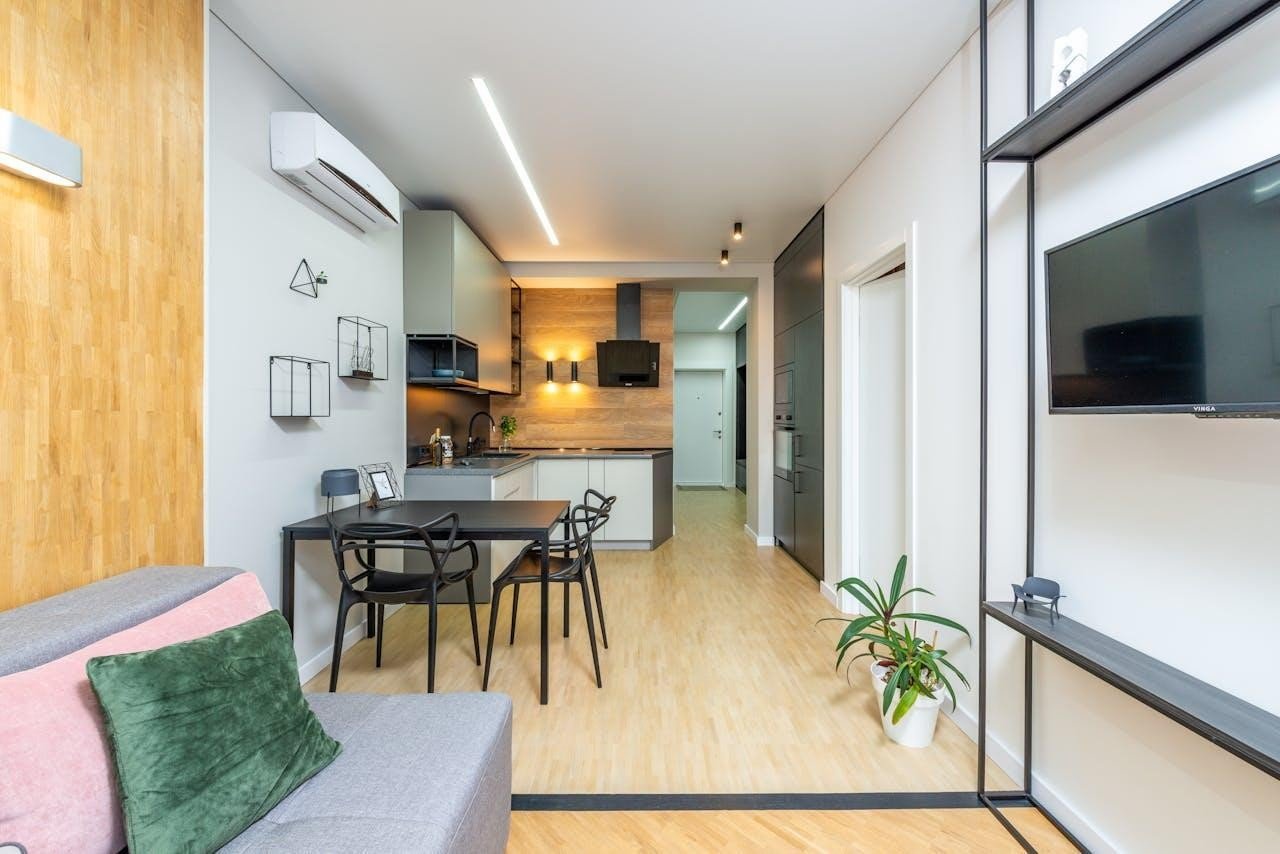

Most individuals don’t concern themselves with poor air quality in their homes until they become sick, exhausted, or develop allergies. The air indoors may not be as healthy as the air outdoors. Dust, chemicals that can change quickly, mould spores, and cleaning products are some of them. Air quality problems can be resolved quickly to make both people and buildings safer.
Recognising Undetectable Indicators
Most air quality issues are not visible. Often overlooked, filter upgrades, ventilation, and the use of powerful chemicals can accumulate their effects over time. Examine how environments affect emotions. Leave with vertigo, sneezing, or headaches. Musty smells, window fogging, and dust on surfaces and ducts indicate insufficient ventilation. Specialists such as those at Sub Cool FM (www.sub-cool-fm.co.uk) can inspect your property for air quality issues and recommend necessary repairs.
Why Is Ventilation Important?
Air purification requires building ventilation. Temperature, humidity, and air purification are maintained. Ensure that the kitchen and bathroom ventilation fans are checked first. These blowers prevent mould and mildew by removing moisture. Daily short-term window openings on different sides of the house increase airflow. If your windows won’t open, consider installing trickle ventilation or a heat recovery system. Modern buildings with modest airflow benefit from energy-efficient vents.
Hidden Pollutant Recognition
We have invisible environmental contaminants. Paints, adhesives, sprays, and new furnishings produce long-lasting chemicals. Open-flame gas burners might leak CO₂ due to poor ventilation. Pet hair and pollen can spread across rugs and furnishings. People walking on carpets and furniture spread pet hair and pollen. These concerns are solved using HEPA filters. Detecting delicate details is tough. Carbon filters reduce chemical odours. Don’t use synthetic fragrance. The most effective diffusers use essential oils or botanicals, such as peace lilies and snake plants.
Monitoring and Ensuring the Health of Everyone
Affordable CO₂, temperature, and PM monitors are available for use at home. Maintain indoor humidity levels between 40% and 60%. Moist surroundings promote mould growth, whereas dry ones irritate the skin. If you have pets or live in a densely populated area, clean your HVAC filters and screens regularly. Cleaning ceiling fans, vents, and ducts improves airflow. Biannual expert duct cleaning improves air quality and system maintenance. Large homes with many parts require careful management.
Strategic Planning and Future Thinking
Clearing up myths takes time. Summer, winter, and other dry and dusty seasons require extra safety precautions. We have adjusted the cleaning and ventilation systems accordingly. Urban or busy neighbourhood bedrooms and living spaces need air filtering. Think about this. Your family mostly uses these rooms. Finally, minimise communication frills. Lower dust levels imply simpler cleaning and improved airflow.
Breathing Becomes Easier Every Day We know that house air affects how it feels and works. Cleaner air helps people sleep better, feel better, and reduce their allergy symptoms. Ensure airflow and temperature safety by cleaning the window screens to let air in without dirt. Look for musty smells, moist areas, or returning dust. These are usually subtle signs of trouble. Some air pollution effects are unseen. Every home should have clean, safe air.
