
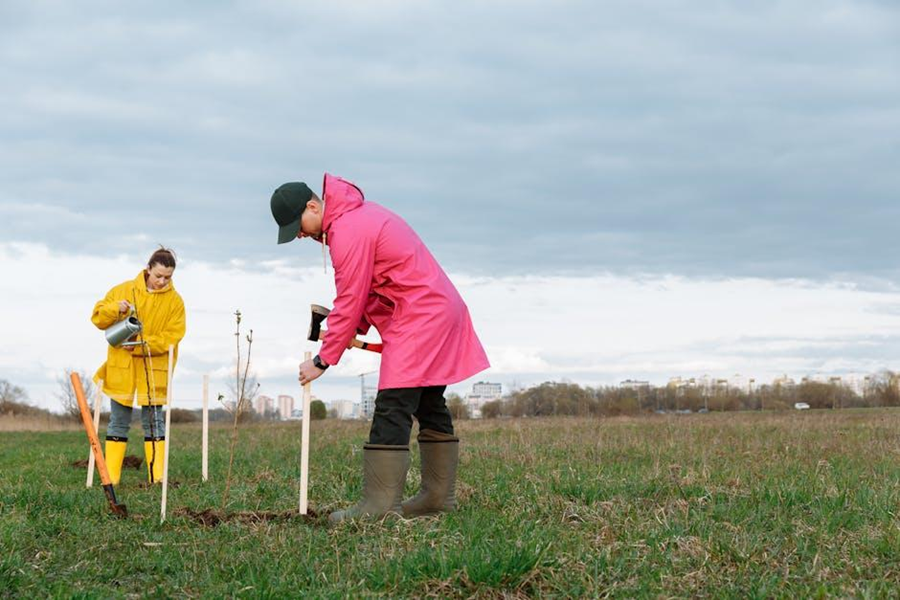

Cities today face a strange double jeopardy. Growth keeps eating up green pockets meant to soften the hard edges of urban life, yet climate threats – floods, heatwaves, and storms – keep eroding what little nature remains. There is a persistent myth that buildings and green space are in a constant battle for supremacy. This tired opposition completely overlooks the true significance of the situation. The real problem is the lack of foresight, not some inevitable war between concrete and trees. If designers get clever, structures can help protect those precious slivers of urban nature instead of squeezing them out.
Strength beneath the Surface
Look beneath some of the best-protected parks or city gardens. What sits there? Not just soil and roots, but barriers built to last – think precast concrete retaining walls that hold back creeping erosion or runaway tree roots that love to destroy pavements when left unchecked. The benefit is immediate: these walls create clear boundaries without resorting to ugly fencing or endless repairs after every storm. Here, water damage, which erodes exposed banks during heavy rain, mirrors itself. Landscapers and local councils, weary of constantly repairing flood damage, also experience a sense of assurance.
Water Management Gets Smart
Rain no longer falls with predictable politeness. Rain falls in chaotic bursts and then disappears for weeks. That creates an opportunity for smart water management rooted in the city’s infrastructure. Structures designed with integrated drainage channels (plus clever slopes) stop waterlogging from turning fields into ponds or drying out turf until it cracks like old leather boots. Done well, these features double as subtle guardians. The public walks past flower beds, never guessing what’s working underneath to keep everything alive above ground.
Heatproof by Design
City heatwaves don’t just arrive. They settle in like unwelcome guests who ignore hints to leave. Trees alone can’t fight rising temperatures if their root zones shrink each year under new developments or car parks that swallow shade. Well-placed structural elements reflect sunlight away rather than trapping it inside brick ovens, loosely described as “plazas”. Surfaces cool faster at night thanks to materials that don’t hold onto heat long after sunset. That means less energy spent on artificial cooling and more genuine comfort where it matters most: open spaces where people linger rather than flee indoors.
Blending Nature with Utility
It sounds counterintuitive: use human-made structures not only alongside nature but also as partners directly supporting it. The key isn’t brute force but strategic placement and foresight: low walls doubling as seating around playgrounds. These underground foundations allow deeper plant roots rather than cutting them short at the edges. Bike paths wind safely above sensitive marshland, protected by elevated walkways, rather than running flat through fragile habitat zones. Every detail matters. Together, they form a blueprint in which no side needs to “win” by crowding out the other.
Conclusion
The balance between green havens and resilient infrastructure is no longer theoretical. It’s essential city planning for this century’s realities. Planners stubbornly clinging to either all-concrete-or-all-nature models will watch both sides fail when stress tests come calling (and they always do). Forward-thinking designs turn cities into living systems where every piece works towards stability: protecting fragile ecosystems while keeping neighbourhoods safe and liveable even under extreme weather’s worst moods, a future shaped more by wisdom than by compromise forced too late.
Curious for more? Dive deeper on our site now! News Well
