
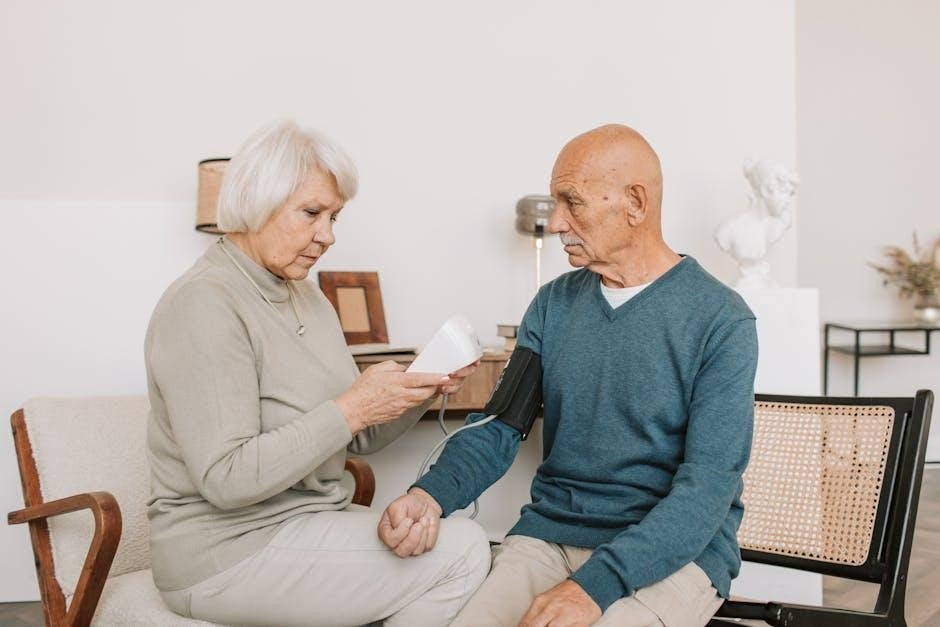

Life nowadays hardly guarantees long-term health. Work speed blinds us to well-being. Quick cures and huge promises rarely work. Our daily choices what we eat, move, and breathe have enduring effects. People desire instant results, yet tiny habits are stronger than they think. On closer inspection, that idea is solid. Harmonise goals with reality. Avoiding this truth frequently makes repairs harder than prevention.
Rest Matters More Than Most Realise
Productivity-focused people often overlook the health benefits of healthy sleep. While sleep is important, so are all forms of relaxation, including reading quietly, walking without technology, and unwinding after a hard day. These are important for long-lasting bodies and brains. Consider the effects of carefully introducing an HHC flower into routines. Some say nights settle down, making sleep easier. Researchers are investigating whether excellent sleep habits prevent high blood pressure and colds.
Food Choices Shape Tomorrow’s Energy
Ignore flashy fads promising overnight transformation. Regularly consuming whole foods is more beneficial than grabbing processed snacks while on the go. Fresh vegetables don’t only support digestion; they help stabilise moods and energy during each afternoon lull at work or school. Some people find swapping sugary breakfast cereals for oats or eggs leaves them sharper all morning – a simple change with a surprising effect over time. It’s never about perfection at every Single meals (who truly manages that?) may seem insignificant. Still, these repeated choices build resilience within our bodies, which often goes unnoticed until it is needed most.
Movement Makes a Difference Every Day
Forget the Olympics and marathons. Many people don’t realise how important exercise is, yet not everyone likes to exercise. You should walk fast during lunch breaks, stretch between meetings, and play with kids or pets enough to make it a habit rather than something you have to do and forget after two weeks. This means muscles must be worked continuously rather than intermittently.
Stress Is Inevitable. Management Isn’t Optional
One fact remains: stress will appear no matter how carefully calendars are arranged or commitments juggled. It’s part of every modern life plan, whether liked or not. However, studies tracking well-being over decades show that individuals who identify rising tensions and confront them effectively fare better. Deep breaths before stressful meetings, regular breaks to stroll outside, and brief meditations if the mind doesn’t calm down will help. Researchers are still studying which activities have the most long-term impact, but ignoring them risks unneeded strain year after year.
Conclusion
True well-being never arrives through dramatic gestures, once a decade. It lives in the daily decisions made quietly but consistently, through the changing seasons of life and shifting priorities at home or at work alike. No one controls every circumstance faced along the way (fate isn’t that generous). Still, there’s solid evidence for giving rest due attention, fuelling the body sensibly, moving each day without dread, and meeting stress strategically rather than surrendering to it in silence for too long. Change seldom demands grand reinvention. Sustainable progress relies instead on small acts repeated until they become second nature.
