
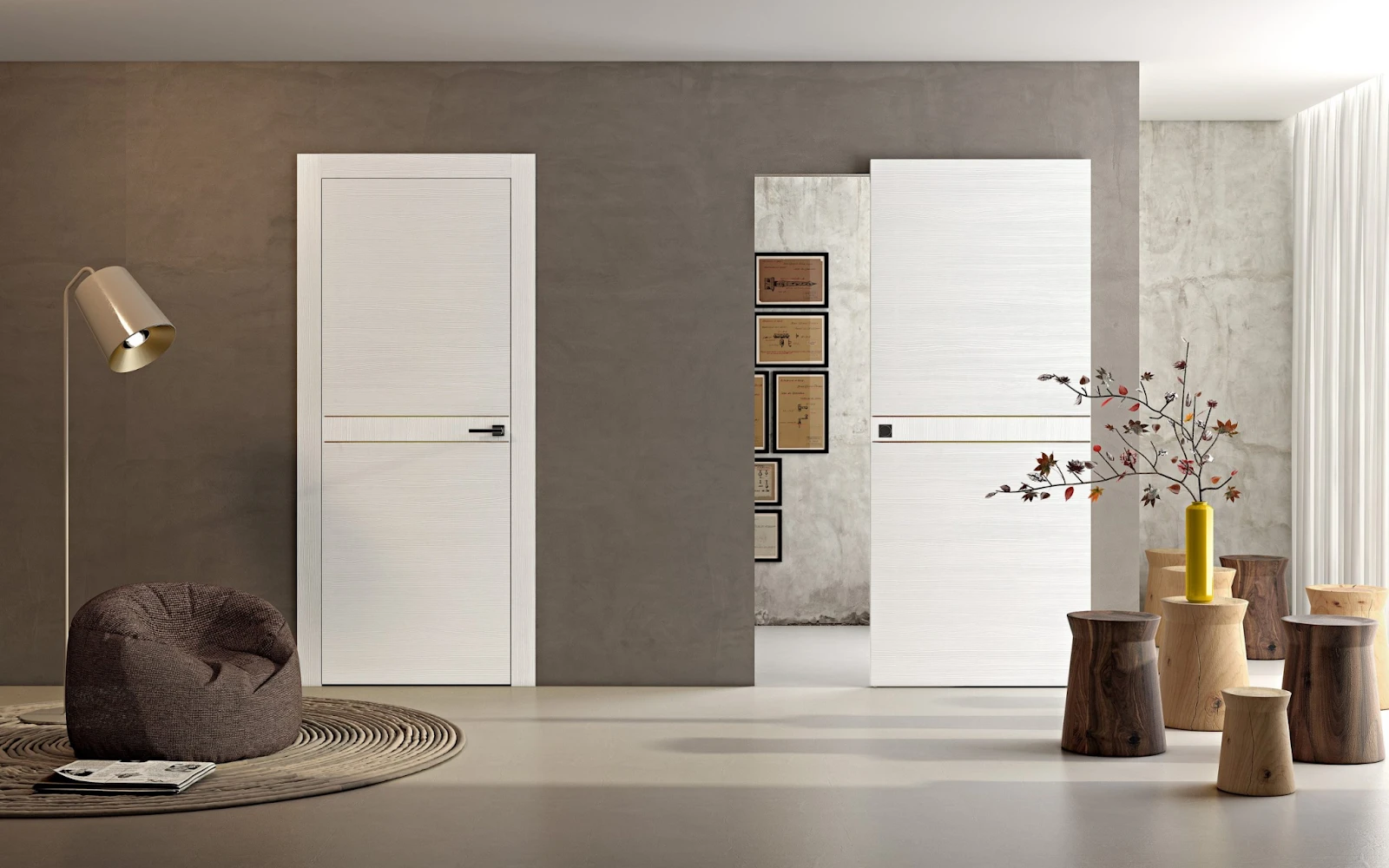

Doors with frames sound simple, but they’re one of the most important “detail” decisions in a renovation or new build. A door leaf can look perfect in photos, yet still feel cheap or perform poorly if the frame is wrong for the wall thickness, the opening isn’t prepared, or the hardware alignment is off. When you choose a complete set door + frame + compatible hardware you’re buying predictable geometry, cleaner reveals, and a closing feel that stays consistent for years.
If you’re sourcing in Canada and want to keep a project cohesive, it helps to work with a catalog that includes not only interior doors, but also sliding systems, room dividers, wall panels, and handles—so finishes and proportions match across rooms. Triodoors.ca presents exactly that kind of “one ecosystem” approach in its store structure.
Why the frame matters more than most people expect
The frame is the door’s foundation. It carries hinges, keeps the leaf square, determines the visible border line around the door, and controls how the door meets the seal. Even a premium door leaf can end up with uneven gaps, rubbing, or a “hollow” closing sound if the frame is mismatched or installed without a plan.
When people say “I want doors with frames,” they usually mean one of these goals (often without realizing it):
A clean finish around the opening without improvising trims later


Stable alignment so the door doesn’t sag or drift over time


A consistent look from room to room (same reveals, same lines)


Less risk during installation because components are designed to work together
One more practical point: walls are rarely perfect—especially in renovations. That’s why many modern interior sets use adjustable or telescopic frame concepts, which help the installer compensate for wall thickness and minor irregularities while keeping the final line neat.
Choosing doors with frames by room: what works in real life
A smart door plan is rarely “one model everywhere.” Homes usually mix a few solutions based on traffic flow and space constraints. If you choose the correct frame-and-door system for each room, the entire home feels more comfortable—quieter bedrooms, easier circulation, and fewer annoying clearance issues.
Here’s a simple room-by-room logic (keep it practical, not overdesigned):
Bedrooms / nurseries: prioritize privacy and a solid close; framed hinged doors are the safe baseline


Bathrooms: durability and stable operation matter; choose finishes that don’t show every water mark


Closets / laundry / tight corridors: consider sliding systems to save swing clearance


Open-plan zoning: glass room dividers or sliding partitions can separate spaces while keeping light
Triodoors highlights interior doors plus sliding hardware and glass room dividers as separate categories, which matches this “mix systems by need” approach.
And don’t underestimate hardware. A door can be perfectly installed and still feel “off” if the handle doesn’t match the style or the grip is uncomfortable. Triodoors also maintains a dedicated door handles category, which is useful when you want the handle finish and proportions to be consistent across the project.
Measurements, installation planning, and how to avoid expensive do-overs
The most common reason people “pay twice” for doors is not the door itself—it’s missing one small planning detail before ordering. Frames expose mistakes: if the opening is wrong, the wall thickness isn’t accounted for, or floor heights change after ordering, the reveal lines won’t look intentional.
Before you commit to doors with frames (https://triodoors.ca/interior-doors/style/frameless), confirm these basics:
Opening size (width/height) after flooring decisions are final


Wall thickness (finished wall, not just studs)


Swing direction based on furniture placement and walking paths


Handle height and latch side consistency across the home


Stop/trim strategy so every doorway looks finished, not improvised
Keep lists short, but here’s one that actually saves time on site:
Take photos of each opening with quick notes (room name, swing direction, wall thickness).


Decide which rooms need swing doors and which need sliding solutions.


Choose one finish palette for the whole home (even if profiles vary).


Select handles early so backsets and latch specs stay consistent.
If you’re building a cohesive interior (doors + sliding systems + room dividers + panels + handles), it’s simpler to source within one catalog rather than mixing products that were never designed to align visually. Triodoors’ site (https://triodoors.ca/) positions these categories together in its store navigation and catalog structure.
When you’re ready to select a complete set and keep the design consistent across rooms, consider door suppliers Triodoors.ca for an interior-focused catalog that includes doors, sliding hardware, room dividers, wall panels, and door handles in one place.
