
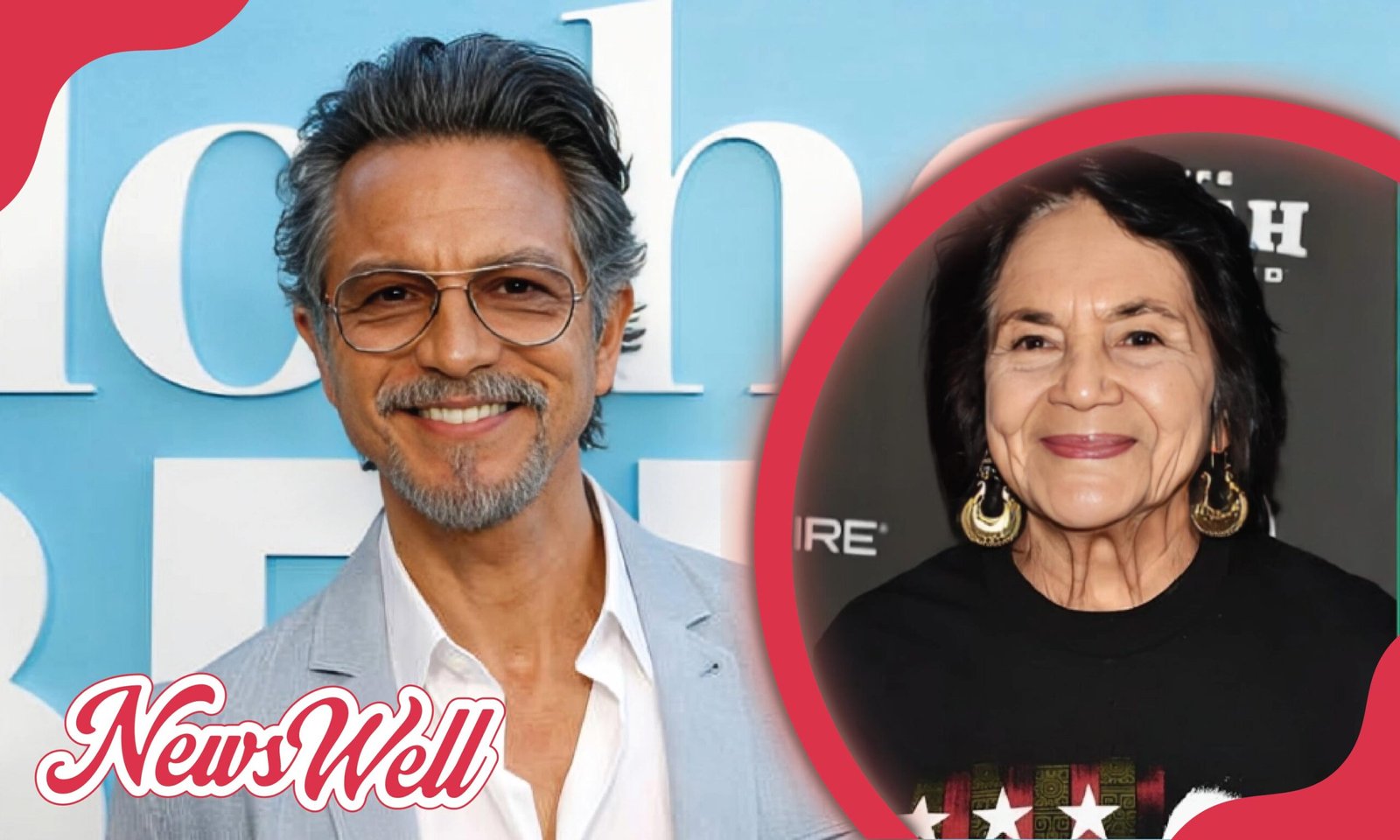

Eldy Banda is best known as the mother of Benjamin Bratt, but her story is bigger than one famous son. She was born in Lima, Peru, came to San Francisco as a teenager, and spent her life building family, culture, and community through care and activism.
Quick Bio pf Eldy Banda
| Details | Information |
|---|---|
| Full Name | Eldy Banda |
| Also Known As | Eldy Bratt |
| Famous For | Mother of Benjamin Bratt |
| Birthplace | Lima, Peru |
| Heritage | Often cited as Quechua (Indigenous) |
| Moved to the U.S. | Around age 14 |
| Raised In (U.S.) | San Francisco, California |
| Occupation | Commonly listed as a nurse |
| Public Role | Political activist |
| Spouse | Peter Bratt Sr. |
| Children | Nadya, Peter, Benjamin, Georgia, Veruschka |
| Historic Link | Occupation of Alcatraz (1969–1971) |
| Popular Searches | benjamin bratt eldy banda, eldy banda bratt |
Quick profile of Eldy
Public biographies describe Eldy Banda (also called Eldy Bratt) as a nurse and a political activist. She is often linked with Indigenous identity, especially Quechua roots from Peru, and with major social justice movements in the United States.
In simple words, she was a mother who worked hard, raised five children, and helped them stay close to their heritage. Many people learned about her through her sons’ public work and family stories.
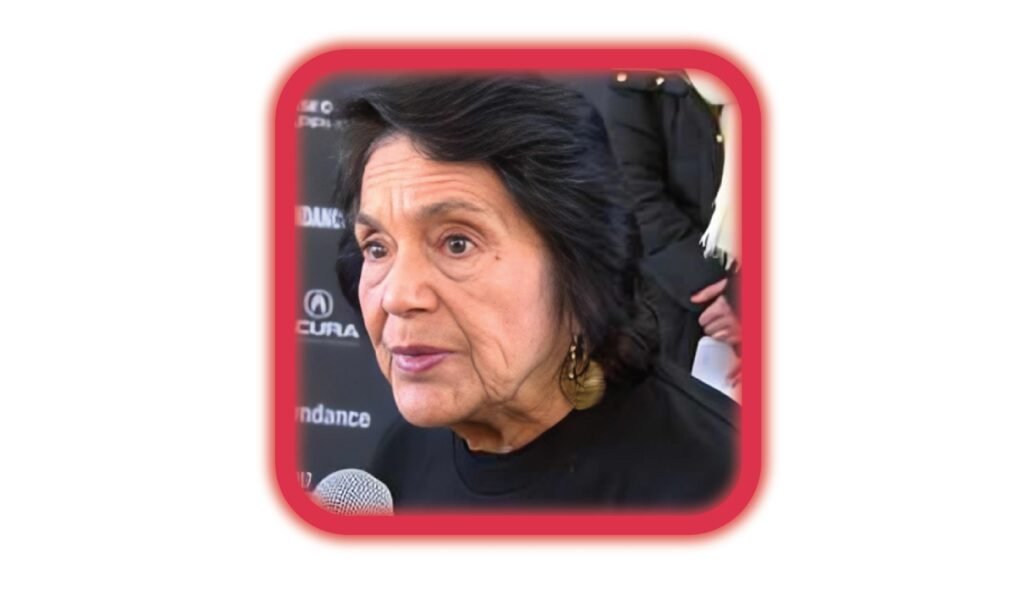
Early life in Peru
Before the U.S., Eldy Banda lived a very different life in Peru. Family stories say her childhood had real hardship, and that her strongest support came from her grandmother, Petronila “Petra” Calderon Tejada.
That bond mattered later. The values of care, loyalty, and staying close to family became a pattern that continued in her life in America.
Moving to the United States at 14
One famous detail about Eldy Banda is the age she moved: about 14 years old. The move happened because her grandmother Petra worked for a wealthy American family in Lima, and the family wanted Petra to relocate to San Francisco.
According to the family story, Petra agreed only if she could bring her granddaughter. That decision changed everything for her, because it placed her in a new country and a new culture while she was still very young.
A hard turning point in San Francisco
In San Francisco, she experienced culture shock. She went from poverty in Peru to living near wealthy neighborhoods like Pacific Heights, where the family Petra worked for lived.
After about two years in the U.S., Petra died. The same American family then adopted and raised Eldy Banda, which added another complicated layer to her identity—Indigenous roots from Peru and a new life shaped by American guardianship.
Marriage and the Bratt family
Many sources identify her husband as Peter Bratt Sr., a sheet metal worker. Through this marriage, she became part of what many people call the “Bratt family” story.
Together they had five children. The children commonly named in family accounts are Nadya, Peter, Benjamin, Georgia, and Veruschka. This large household became the center of daily life and the place where values were passed down.
Raising five children as a single mother
A major theme in the story of Eldy Banda is resilience. Family accounts say the marriage did not last, and after the couple had five children, the father left and started another family.
Even with deep pain, she focused on stability. She kept the children connected to relatives and community, and she created routines that made the home feel safe. In many ways, she became the main “engine” of the family.
Family traditions and strong community ties
People close to the family describe a home with clear traditions. Sundays were treated as family time, and the house often welcomed visitors, friends, and relatives.
This is part of why Eldy Banda stands out in public memory. She was not only raising children; she was building a “tribe” around them people who offered support, shared meals, and kept culture alive.
Indigenous identity and Quechua roots
Many readers search for Eldy Banda because they want to understand her background. Public biographies often mention Quechua ancestry, which connects her to Indigenous peoples of the Andes.
That identity did not always feel accepted when she arrived in the U.S. A key point in her story is that she found a wider Indigenous community in North America and felt a stronger sense of belonging through activism.
The Occupation of Alcatraz: a life-shaping event
One of the most important events connected to Eldy Banda is the Occupation of Alcatraz (1969–1971). This protest was led by Indians of All Tribes, and it became a powerful symbol of Indigenous rights and visibility.
Family stories say she heard activist Richard Oakes speaking on television and reached out to support the takeover. That moment mattered because it confirmed a simple idea: Indigenous identity is not limited by modern borders.
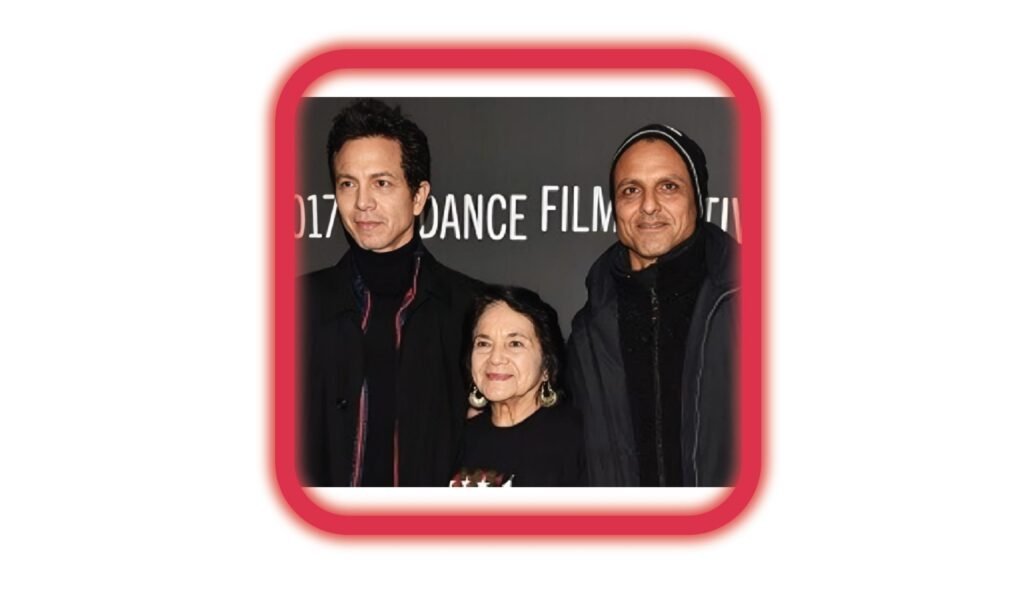
What she did at Alcatraz
Accounts connected to the family describe her traveling to Alcatraz very quickly, even bringing a baby. She reportedly joined the community on the island and felt welcomed in a way she had not felt before.
A photo caption from that time shows Eldy Banda walking inside Alcatraz with her son Peter and one of her daughters on March 26, 1970. For many readers, that image makes her activism feel real and personal.
Other movements linked to her activism
Some biographies connected to her sons describe activism beyond Alcatraz. These accounts connect the family to Wounded Knee and the Farm Workers Movement, which were major struggles for rights and justice in the 1960s and 1970s.
Even if most details stayed private, the pattern is clear: she did not keep quiet when she saw unfairness. She tried to show her children that dignity and action can go together.
Connection to Benjamin Bratt’s public life
Many people first hear about Eldy Banda because they admire her son Benjamin Bratt. He became well known for acting in Law & Order, Miss Congeniality, Traffic, and other projects.
But it helps to remember that her influence is not about fame. The deeper link is values: identity, family loyalty, and courage. These themes show up in how Benjamin speaks about his background and community.
Simple timeline (easy to remember)
Born in Lima, Peru, she grew up with her grandmother Petra. As a teenager she moved to San Francisco, and later became a mother of five. In the late 1960s and early 1970s she was connected to major Native rights actions, including the Occupation of Alcatraz.
Over the years, she worked, raised children, and kept family traditions strong. Her story is also tied to the wider history of Indigenous visibility in the U.S. during that period.
Connection to Peter Bratt and filmmaking
Her son Peter Bratt is known as a filmmaker who often tells stories about identity, justice, and culture. Public profiles of Peter describe him as shaped by an Indigenous mother from Peru and by a home connected to activism.
When you read about her through Peter’s work, you see the same message: stories matter, and people should not be erased. This is one reason the family keeps her memory visible.
Why people search “benjamin bratt eldy banda”
The phrase “benjamin bratt eldy banda” is popular because readers want the family connection, but also want the person behind the celebrity.
A useful way to think about it is this: Eldy Banda is not famous for movies, but her choices helped shape the people who later became public figures. Her influence is part of the story, even if she stayed mostly private.
What “eldy banda bratt” tells us
Many websites use the name “eldy banda bratt” because it reflects her married name and how she is listed in public references.
This name also shows something personal: she carried two worlds at once—Peru and the U.S., Indigenous roots and American life, private family work and public activism. That mix is central to understanding her.
What “eldy banda peter bratt, sr.” means
The phrase “eldy banda peter bratt, sr.” appears because people want to confirm her marriage and the family structure.
Public references usually describe Peter Bratt Sr. as a working-class man, and the family story highlights how the household depended heavily on her labor and emotional strength, especially after the separation.
The private parts we cannot claim as facts
Many articles online try to list exact birth dates, private addresses, or personal medical details. Those claims often do not come from strong public sources.
So a careful biography focuses on what is clearly supported: her Peru roots, her move to San Francisco, her role as a mother of five, and her connection to major activism events like Alcatraz.
Lessons people take from her story
Readers often connect with this story because it is about survival and dignity. It is also about migration, adoption, and rebuilding identity after loss.
In the end, Eldy Banda represents many quiet heroes: parents who hold families together, immigrants who adapt without losing their roots, and activists who step forward when history calls.
Frequently Asked Questions
1) Who is Eldy Banda?
Eldy Banda is the Peru-born mother of Benjamin Bratt and a woman linked to Indigenous identity and activism.
2) Where was Eldy Banda born?
She is widely described as born in Lima, Peru.
3) Why is Eldy Banda connected to Alcatraz?
She is linked to the Occupation of Alcatraz (1969–1971) through family stories and historical captions.
4) How many children did Eldy Banda raise?
She raised five children, including Benjamin Bratt and Peter Bratt.
5) What did Eldy Banda do for work?
Public profiles commonly describe her as a nurse and a political activist.
Final thoughts
If you came here asking “Who is Eldy Banda?”, the simplest answer is: she was a Peruvian-born, Indigenous-rooted mother and activist who raised five children in San Francisco and helped keep culture and justice at the center of family life.
Curious for more? Dive deeper on our site now! News Well
