
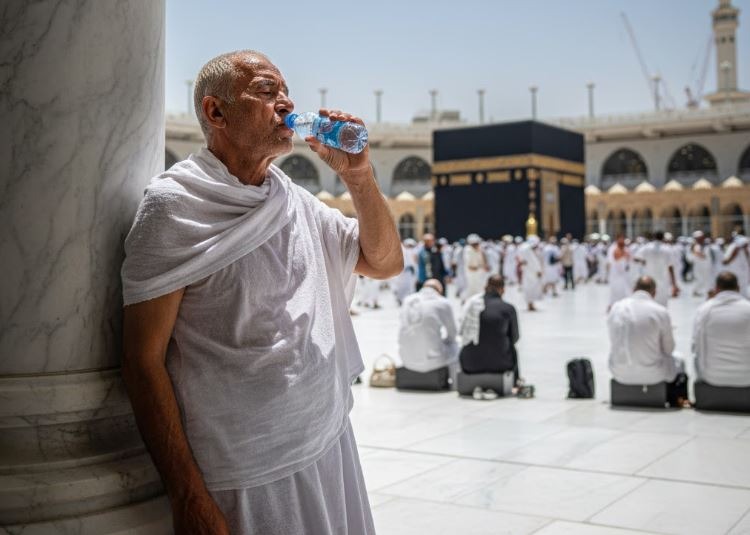

An intense spiritual experience is physically exhausting.
Umrah pilgrimages to Mecca that do not fall within the Hajj season provide an experience which combines spirituality with physical exertion. Although its rituals may differ slightly from Hajj, umrah requires long walks, exposure to heat and endurance throughout. As pilgrims embark on their pilgrimage journeys, keeping up their physical health is vital in order to maximize their experience of it all. Umrah involves various rituals, such as Tawaf (circumambulating the Kaaba in a circular fashion) and Sa’i (walking between Safa and Marwa hills), which must be conducted under high temperatures and in crowded conditions – which could expose pilgrims to health risks due to dehydration, heat exhaustion and fatigue if conducted incorrectly – therefore adequate preparation and constant monitoring are key for pilgrimages.
Mecca can pose many health hazards to its inhabitants.
Mecca is situated in a desert region, where temperatures often surpass 40 degrees C during summer months. When combined with physical demands of religious rituals as well as the sheer volume of people present, this extreme heat could result in heatstroke, discomfort or circulatory issues; particularly among elderly or chronic illness sufferers. Sun exposure increases this risk and sun worshippers performing Tawaf outdoors can become vulnerable to heatstroke – symptoms can include headaches, dry and hot skin patches, rapid heartbeats, nausea or loss of consciousness – to minimize its effects it is recommended conducting rituals at more suitable times such as early morning or late evening hours.
Hydration is of vital importance.
One of the biggest dangers during Umrah is dehydration – it can happen quickly if you’re doing a lot of walking, sweating a lot, and not drinking enough. Signs and symptoms of dehydration include significant thirst, sudden feeling fatigued, muscle cramps, dark urine, and decreased focus. To remain hydrated – you will need to drink smaller amounts of water daily, even when you don’t feel thirsty.
Making dietary adjustments to support your efforts.
Eating a healthy diet improves your chance of effectively managing physical exertion and decreases soreness, thus lighter meals of vegetables, fruit, and lean proteins and whole grains are good choices. Foods high in fat or sugar content or spicy seasoning may lead to digestive issues or lead to fatigue – dates being one of the staples in local cuisine are excellent sources of quick energy – light soups salads as well as natural juices should all be eaten regularly as a part of an overall healthy lifestyle diet – which will maintain energy levels while improving immunity while improving immune systems through its effects.
Avoid fatigue and conserve energy
Umrah rituals require physical endurance. Tawaf involves walking approximately 100m through crowds while Sa’i includes several more miles; both walks require following your own pace, taking frequent breaks, and using wheelchairs or assistance facilities available as required. Sleep is also key in the recovery process and should not be neglected in terms of planning rest time between rituals – lack of rest can impair immunity, cause stress levels to spike and reduce temperature tolerance so it’s crucial that rest is scheduled between rituals for optimal recovery and quality sleep!
Protecting yourself against the elements and the sun
Sun protection is crucial in avoiding burns and heatstroke. To be safe, wear loose clothes that are light, breathable, and has adequate airflow to keep you cool; sunglasses offer UVA protection; wearing a scarf/hat offers more protection; and health sunglasses with more UVA Protection are better still for those with sensitive skin; sunscreen/sunglasses give extra protection at anytime, but is especially important when at religious sites with misting systems or ventilation; and sunglasses can also help, particularly when still humid – glasses/sunscreen provide UVA/UVB cover for sensitive persons. Protective clothing against the elements provides your health and comfort, depending on the nature of your travel.
Preparing Your Body Before Departing
Preparing both physically and mentally before Umrah will make an enormous difference – from regular walking, improving endurance, consulting a physician for health check-ups and making sure medications are suitable for travel to ensuring enough medication. People living with chronic illness should ensure their medications are suitable and bring enough. It is also helpful to become acquainted with places, rituals and routines so as to minimize stress arising from unfamiliarity; many provide detailed sessions or useful instructions in order to assist pilgrims effectively prepare. Achieve peace and confidence before setting off on this great journey!
Mental Health: Ensuring Balanced Well-Being
Umrah pilgrimages are transformative spiritual experiences, however when they are conducted in uninspiring conditions, they could also trigger anxiety, stress and anxiety. A fear of losing oneself or participating in rituals can cause chaos on your mental health; to this end, relaxing techniques like yoga or breathing techniques can be beneficial in ensuring the balance; establish clear goals regarding your spiritual goals and being close to those who are around you, and seeking help whenever needed. Don’t be afraid to seek medical advice if your mood calls for extra help should you require it.
Conclusion: For an Haleema Umrah trip to be successful, respect must be shown for one’s body.
Umrah pilgrimages are widely recognized to be spiritual experiences; however, their full enjoyment requires taking great care to respect and care for one’s physical body during this journey. Extreme heat, dehydration and fatigue may pose real obstacles – however these can be overcome through careful preparation, attentive monitoring and listening closely to one’s needs as an individual traveller.
Pilgrims who put in the effort to look after their physical and mental health can make sure they enjoy Umrah in the best circumstances, in the best possible state of mind and with respect to other pilgrims. Bringing this delicate balance between resting versus taking physical risks, zeal versus responsibility can yield a pilgrimage that is both calm yet invigorating.
Curious for more? Dive deeper on our site now! News Well
