
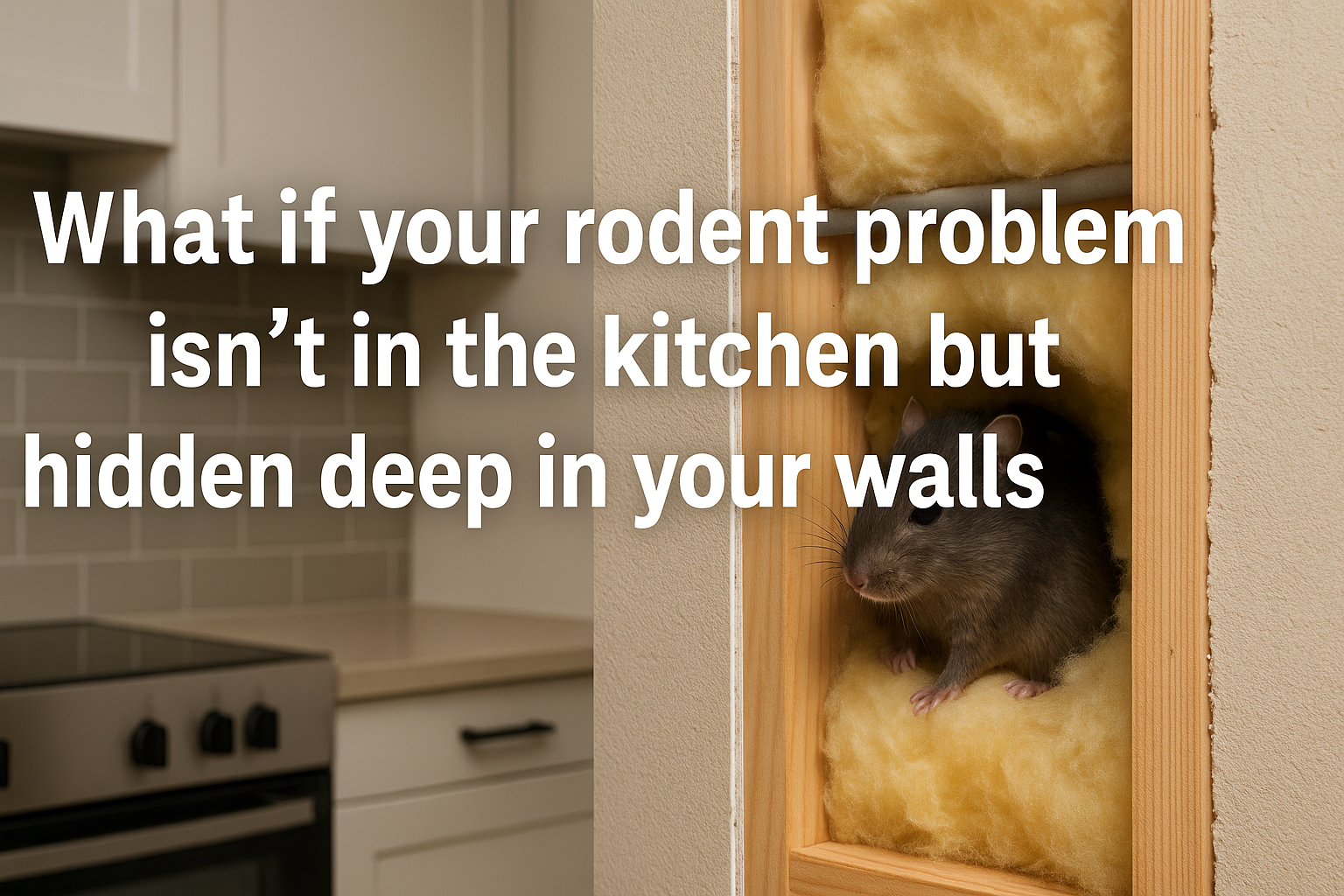

What if your rodent problem isn’t in the kitchen but hidden deep in your walls? Many people only look for mice or rats near food, storage spaces, or visible areas. But the truth is that rodents like mice, rats, and squirrels are experts at staying out of sight. They nest in wall cavities, crawl spaces, attics, and under flooring. They move quietly at night, chew through wires, and leave behind harmful bacteria, all while you sleep peacefully in the next room.
When rodents hide inside walls, the infestation becomes harder to spot and even harder to treat. You may only notice small signs like tiny noises, weak airflow, or odd smells. By the time you see a rodent in the open, the colony may already be well established. This article explains how hidden rodent activity works, what signs to watch for, and how to stop rodents from turning your house into their home.
Why Rodents Love Living Inside Walls
How Wall Cavities Offer Shelter and Safety
Rodents choose wall spaces because they provide a safe, closed-off area. Wall cavities stay warm in winter and cool in summer. Spaces behind drywall give rodents a place to build nests using insulation, paper, and fabric. These spots protect them from predators and human activity.
Why Rodents Avoid Open Areas Like Kitchens at First
Kitchens attract rodents because of food smells, but most rodents don’t live there. They only visit the kitchen when they need to eat. Their main home stays inside the walls, where it’s dark, quiet, and secure. Mice, for example, can squeeze through gaps as small as a pencil. Rats follow plumbing lines and electrical conduits. Squirrels enter through roof gaps and settle inside attic walls.
How Your Wall Structure Helps Rodents Travel
Modern homes have hollow framing, electrical pathways, and ventilation gaps. Rodents use these like highways. They can run from the attic to the basement without being seen. Once inside, they chew, burrow, and multiply.
Silent Signs That Rodents Are Hiding in Your Walls
Strange Noises at Night: Scratching, Tapping, or Crawling
Rodents are nocturnal. If you hear light scratching, scurrying, or tapping inside your walls after dark, it may mean rodents are nesting or moving around.
Unexplained Odors Coming From Walls or Vents
Urine, droppings, or decaying rodents can cause strong smells inside wall cavities. These odors spread through vents and create a sour, musky scent in rooms.
Weak or Discolored Drywall
Rodents chew through insulation and drywall. Over time, walls may show dents or soft spots. Sometimes rodents create pin-sized holes.
Electrical Problems and Flickering Lights
Rodents chew wiring. Damaged wires can cause electrical issues, flickering lights, or even fire risks. Many electrical house fires are linked to rodent activity.
The Hidden Damage Rodents Create Behind Your Walls
Chewing on Insulation and Reducing Energy Efficiency
Rodents tear insulation for nesting. This reduces heat retention, increases your energy bill, and forces your HVAC system to work harder.
Gnawing Through Electrical Wires and Cables
Chewed wires can spark fires or shut down important appliances. Mice gnaw constantly to keep their teeth short. Even small damage can lead to major hazards.
Spreading Bacteria, Droppings, and Odor Molecules
Rodent droppings can carry dangerous pathogens. As rodents move in the walls, they leave urine trails that seep into wood and insulation.
Damaging Plumbing and Ventilation Lines
Rats often chew plastic pipes and flexible tubing. This causes leaks, mold, and high repair costs.
Why You Must Act Fast With Wall Infestations
Rodents Multiply Quickly and Quietly
A single pair of mice can produce dozens of babies in a year. Because they stay hidden, their reproduction goes unnoticed until the problem becomes severe.
Hidden Rodents Spread Faster Than Visible Infestations
Rodents inside walls migrate easily throughout the home into attics, crawl spaces, and even HVAC systems. The longer they stay, the more they spread.
Odors and Health Risks Increase Over Time
Droppings, urine, and dead rodents create harmful indoor air quality issues. Over time, these can cause allergies, respiratory issues, and bacterial infections.
How Rodents Sneak Into Your Walls
Small Cracks and Gaps in the Foundation or Siding
Even tiny openings allow rodents to enter. Mice can squeeze through a hole the size of a coin. Rats chew gaps wider to fit their bodies.
Roof Gaps and Broken Soffits
Squirrels and roof rats often enter through damaged roof tiles or attic vents. Once inside, they drop into wall cavities.
Plumbing and Utility Line Openings
Pipes and electrical lines create perfect entry points. Rodents follow warmth and scent trails.
Garage Doors and Storage Entry Points
Stored boxes, old fabrics, and clutter attract rodents. They slip under doors and make their way into the home’s structure.
How to Confirm Rodent Activity Inside Your Walls
Thermal Cameras and Motion Detection Technology
Modern Rodent control devices detect heat signatures and movement inside walls. This helps pinpoint rodent hotspots.
Listening Devices Used by Professionals
Exterminators use acoustic tools that identify scratching and movement inside wall cavities.
Checking for Droppings, Nesting Material, and Grease Marks
Rodents leave dark, oily trails along baseboards. Droppings in corners or behind appliances usually mean the walls are active too.
Following the Scent or Using UV Light
Rodent urine glows under UV light. This helps trace movement patterns.
The Best Solutions for Rodents Hidden in Walls
Sealing Entry Points With Rodent-Proof Materials
Caulk, steel wool, cement, and metal mesh block future entry. Rodents cannot chew through these.
Setting Up Traps in Wall Entry Zones
Snap traps, electric traps, or bait stations work best when placed near runways and wall openings.
Using Safe and Targeted Baiting Methods
Tamper-proof bait boxes keep children and pets safe. Baits must be placed strategically so rodents exit walls before dying.
Installing Smart Monitoring Systems
Modern rodent monitors use sensors and alerts. They track rodent movement and confirm when activity stops.
Improving Home Hygiene and Storage Practices
Removing food sources speeds up control. Keeping pantries sealed, cleaning crumbs, and storing food in airtight containers reduce rodent interest.
How to Prevent Rodents From Returning
Routine Sealing and Maintenance Checks
Every season, check for new gaps in siding, foundations, or roof lines. Rodents exploit new weaknesses.
Trimming Trees and Removing Outdoor Clutter
Branches touching the roof help rodents access attics. Keep outdoor areas clean and free of hiding spots.
Maintaining Clean Pantries and Storage Areas
Rodents return to places with easy food. Keeping areas organized prevents reinfestation.
Storing Pet Food Properly
Pet food is one of the top attractants. Use sealed bins and clean feeding areas daily.
Scheduling Regular Rodent Inspections
Annual inspections help catch early signs. Professionals can detect issues long before they grow.
When You Need Professional Rodent Help
Signs That DIY Isn’t Enough
If noises continue, traps remain empty, or damage increases, the infestation is likely deep inside the structure and requires professional tools.
Heavy Damage or Electrical Risks
Chewed wires, flickering lights, or weak drywall mean the infestation is severe.
Strong Odors or Sudden Allergic Symptoms
Bad smells, coughing, or breathing issues may come from rodent waste in walls.
Multiple Rodent Species in One Home
If you have mice in the kitchen and squirrels in the attic, the situation needs expert handling.
Conclusion
Rodents inside your walls create more danger than rodents in your kitchen. These hidden infestations spread quickly, cause serious damage, and put your home at risk. Mice, rats, and squirrels can chew wires, contaminate insulation, and weaken your home from the inside out. By understanding the signs, acting early, and sealing entry points, you protect your home before the infestation grows.
If you stay alert and follow the right steps, you can stop rodents before they turn your walls into their home. Whether you use smart traps, strong prevention methods, or professional help, early action is key. A rodent-free home starts with knowing where the problem hides and staying one step ahead.
Curious for more? Dive deeper on our site now! News Well
