
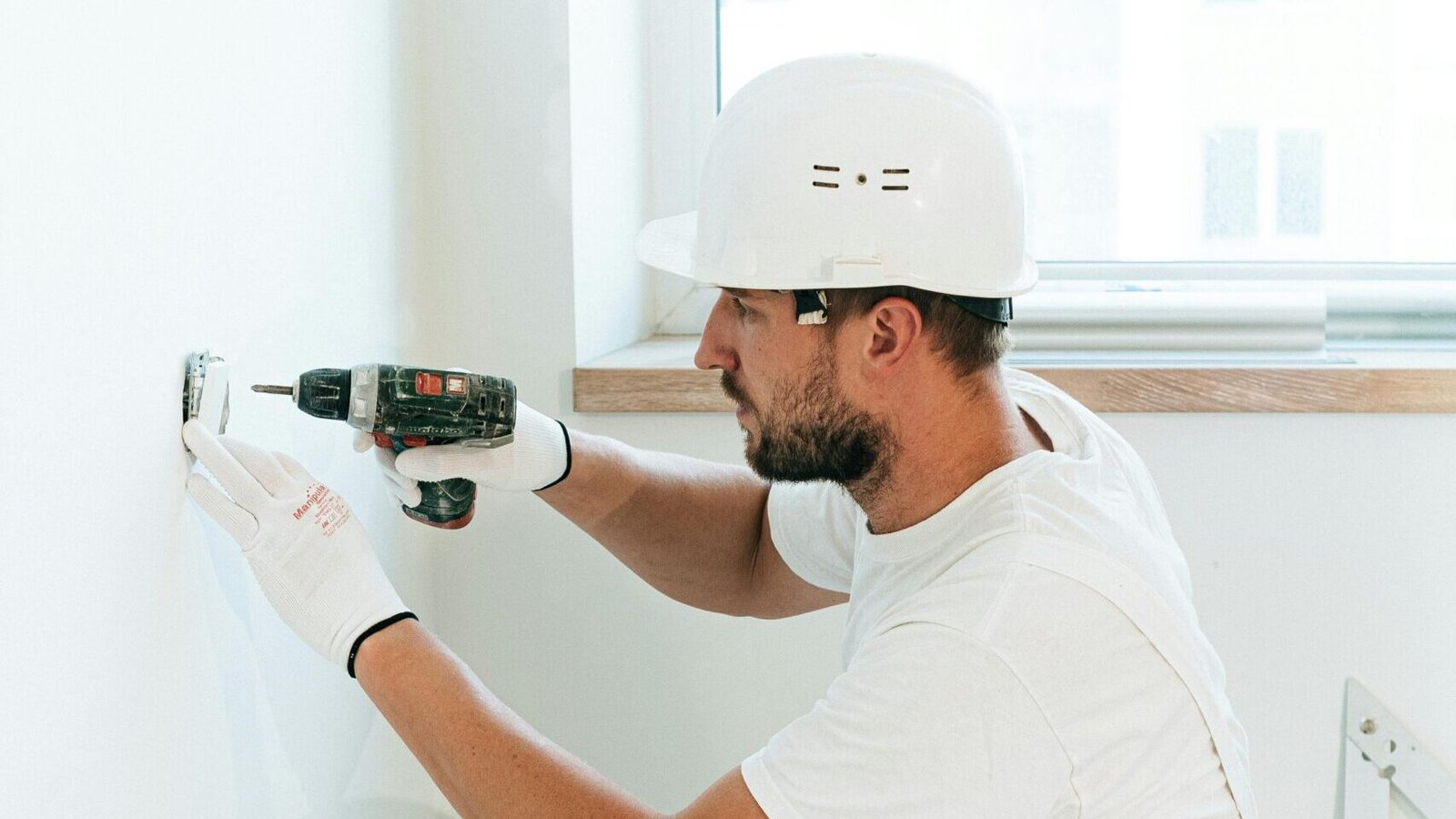

For years, DIY carried a certain appeal, such as save money, stay in control, and get the satisfaction of doing it independently. That logic hasn’t disappeared, but it’s no longer holding up the way it used to. Across the UK, more homeowners are stepping back mid-project or avoiding DIY altogether. The reason isn’t laziness or lack of interest. It’s a shift in what homes demand today and what mistakes actually cost.
Homes Aren’t Simple Anymore
A decade ago, most home projects were straightforward. Paint a wall, fix a cabinet, maybe replace a fixture. Now, even “basic” upgrades come layered with technical requirements.
Smart thermostats, integrated lighting, energy-efficient insulation, these aren’t plug-and-play. They interact with wiring, regulations, and sometimes even software. One small misstep doesn’t just affect aesthetics; it can disrupt how the entire system functions.
UK building regulations have also tightened. Even minor structural or electrical changes may require compliance checks. Cutting corners here doesn’t just risk a poor result; it can cause legal or insurance complications later. That’s where most DIY plans start to fall apart. Not at the idea stage, but in execution.
Mistakes Are Getting Expensive
DIY used to be forgiving. If something went wrong, it was usually fixable without major consequences. That margin has shrunk. More serious problems like leaks, inefficiencies, or structural defects or weaknesses are now caused by improper fittings, uneven installations, or poor material selections. Furthermore, resolving those problems is sometimes more expensive than getting the work done professionally in the first place.
Due to unsuccessful do-it-yourself projects, the Federation of Master Builders continues to report a consistent need for repair work. That says enough. Nowadays, people are being cautious rather than merely trying. There’s a difference between saving money and delaying a larger expense. Many homeowners are starting to see that clearly.
Time Is No Longer Flexible
DIY assumes time is available. That assumption doesn’t hold for most households anymore. Projects that look manageable on paper tend to stretch. What should take a weekend ends up dragging across weeks. Delays stack up, such as missing tools, incorrect measurements, and unexpected issues.
Professionals work differently. There’s structure, sequencing, and experience behind every step. Problems are anticipated, not discovered halfway through. That efficiency matters more now, especially in homes where space and time are already limited.
Tools Make a Bigger Difference Than People Admit
One of the biggest gaps between DIY and professional work isn’t skill, it’s access. Professionals don’t just have “better” tools. They have the right tools for very specific tasks. Precision cutting, accurate levelling, and clean finishing, these depend heavily on equipment that isn’t typically available at a consumer level.
That difference shows in the final outcome. Edges align properly. Surfaces sit correctly. Fixtures last longer.
Having a reliable source for tools and equipment also makes a noticeable difference. Professionals aren’t improvising with whatever is available; they’re working with the right tools from the start, which directly impacts consistency and finish quality. Suppliers like Rennie Tool help make sure consistent access to the right tools, which directly affects the quality of the final result.
Standards Have Quietly Gone Up
There’s also a perception shift happening. People are exposed to better interiors now through property listings, social media, and design platforms. As a result, expectations have changed. Clean finishes and precise detailing aren’t seen as “premium” anymore. They’re expected.
DIY work, even when done carefully, often struggles to meet that level. Not because of lack of effort, but because consistency is difficult without repetition and proper tools. That gap becomes obvious in kitchens, bathrooms, and fitted spaces areas where small imperfections stand out immediately.
Risk Is Being Taken More Seriously
There’s also a practical side people are less willing to ignore: risk. Electrical mistakes, structural errors, or improper installations aren’t minor issues. They carry safety implications. Fires, water damage, or long-term structural problems aren’t hypothetical; they’re common outcomes of poorly executed work.
Hiring certified professionals shifts that burden. There’s accountability, insurance coverage, and a standard of work that reduces uncertainty. That alone is enough for many homeowners to step back from DIY.
DIY Isn’t Dead, It’s Just Limited
DIY still has its place. Cosmetic updates, small repairs, and basic improvements, these are still manageable and, in many cases, enjoyable. However, the equation shifts when a project enters the technical domain. The cost of making a mistake grows dramatically, the danger increases, and the tools needed become more specialised and skilled. The majority of homeowners are beginning to identify that barrier.
Final Take
This shift from doing it yourself toward hiring professionals isn’t about capability. It’s about clarity. Homes are more complex. Standards are higher. Mistakes are more expensive. And time is less forgiving.
DIY still works, but only within a narrow range. Outside of that, relying on professional expertise isn’t excessive. It’s practical.
