
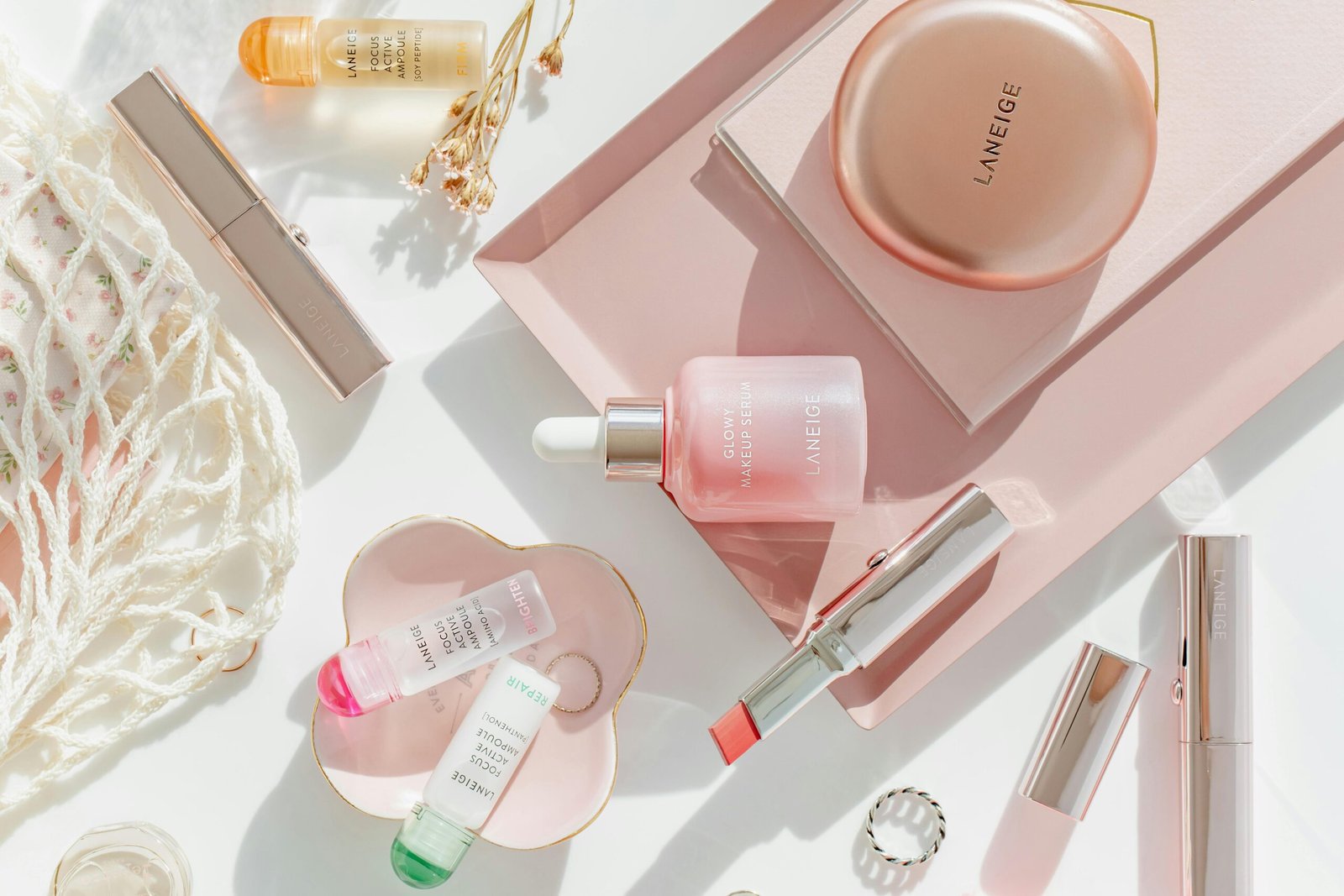

It is a grey Saturday morning on a typical British high street, but inside the beauty aisles, the forecast is glowing. Shoppers are no longer just replenishing their trusted Western staples; they are hunting. Armed with smartphones and TikTok-saved lists, they aren’t looking for the latest French pharmacy brand or American celebrity makeup line. Instead, they are scanning shelves for “Snail Mucin,” “Cica,” and “Heartleaf.”
This is the new face of British retail. Korean Beauty (K-Beauty) has graduated from a niche internet subculture to a dominant high street force. Once relegated to the “International” corners of online marketplaces, K-Beauty has achieved permanent residency on the shelves of the UK’s biggest retailers.
By early 2026, this shift became official. Superdrug marked a major milestone, expanding its dedicated K-Beauty sections to over 100 stores nationwide. Meanwhile, PURESEOUL, the UK’s premier K-Beauty specialist, is aggressively pursuing a roadmap toward 30 standalone locations. The days of waiting three weeks for a shipping container from Seoul are over; the K-Wave has not just hit the high street—it has anchored there.
The “Big Two” Strategy: Boots vs. Superdrug
The battle for dominance in this lucrative sector has forced the UK’s two largest health and beauty retailers to adopt distinct, aggressive strategies.
Superdrug’s Aggressive Pivot
Superdrug has positioned itself as the accessible gateway for the K-Beauty curious. Through a strategic 2025/2026 partnership with specialized distributors, they have flooded their aisles with over 400 K-Beauty products. They didn’t just stock the basics; they brought in heavy hitters previously available only via import sites. Brands like Amuse, Torriden, and the viral sensation Tirtir (famous for its red cushion foundation) are now available for immediate pickup. Their strategy is volume and variety, ensuring that whatever product is trending on social media is available on their shelves within weeks.
Boots’ Data-Driven Approach
Boots has taken a more calculated, data-centric route. In their 2025 trend report, the retailer revealed a staggering statistic: they now sell one K-Beauty product every 15 seconds. Leveraging this demand, Boots has expanded beyond skincare into the “total wellness” ecosystem. They have pioneered the introduction of “K-Hair” into the mainstream, stocking brands like Kundal to capture consumers looking to extend the “glass skin” philosophy to their hair.
The Retail Hybrid
Both retailers have cracked the code of modern beauty shopping: the “Phygital” hybrid. They understand that while the hype is generated digitally on TikTok, the sale is secured physically. British shoppers want to swatch the textures, smell the ferments, and color-match the foundations before committing—a privilege the physical high street has reclaimed from online-only giants.
Why It’s Winning: The Three Pillars of Success
Why has a beauty philosophy from 5,000 miles away resonated so deeply with the British public? The success rests on three pillars.
Pillar: The “Lipstick Effect” 2.0
Historically, the “Lipstick Effect” holds that consumers still buy affordable luxuries during economic downturns. K-Beauty has updated this concept. It offers high-performance formulations—rich in peptides, probiotics, and ginseng—at a mid-range price point (£15–£25) that feels like a “luxury treat” without the luxury markup. It allows the British consumer to feel they are investing in their self-care without breaking the bank.
Pillar: Ingredient Transparency
The UK consumer is more “skintelligent” than ever before. Vague marketing terms like “radiance-boosting” are out; specific active ingredients are in. K-Beauty’s clinical obsession with highlighting star ingredients—Centella Asiatica for redness, Rice Water for brightening, and PDRN (salmon DNA) for repair—speaks directly to this educated demographic. Shoppers know exactly what they are buying and exactly what it does.
Pillar: Cultural Soft Power
You cannot separate the products from the pop culture. The “Hallyu” (Korean Wave) has brought K-Pop and K-Dramas into millions of British living rooms. The “Glass Skin” aesthetic—poreless, luminous, and hydrated—has replaced the matte, heavy-coverage Western standard as the ultimate beauty goal for Gen Z and Millennials.
The Rise of the Specialist: Experience-Led Shopping
While Boots and Superdrug battle for volume, specialty retailers are winning on experience.
PURESEOUL and Skin Cupid have proven that there is an appetite for curated discovery. These aren’t just shops; they are cultural hubs. Unlike the clinical fluorescent lighting of a traditional pharmacy, these stores offer “Instagrammable” interiors, soft lighting, and staff who are genuine experts in the multi-step Korean routine.
They are also breaking the London-centric curse. PURESEOUL’s rapid expansion into cities like Cardiff, Manchester, and Glasgow proves that the demand for specialized K-Beauty advice is a nationwide phenomenon. These stores offer a “curated discovery” model, where customers trust the retailer to filter through the thousands of new launches to find the hidden gems.
2026 & Beyond: What’s Next for the British High Street?
As we look further into 2026, the market is evolving from novelty to maturity.
- Intelligent Minimalism: The famous “10-step routine” is being streamlined. The trend is shifting toward “Skip-Care”—using multitasking hybrid products, such as toners that double as moisturizers or sunscreens that act as primers.
- Beauty Tech: We are seeing the introduction of AI diagnostic tools in-store. These smart mirrors and scanners help British consumers navigate the vast K-Beauty market to find routines specifically tailored to the UK’s hard water and damp climate.
- The Ethical Frontier: As UK sustainability standards tighten, Korean brands are adapting. We are seeing a surge in vegan-certified, eco-conscious K-Beauty brands that prioritize biodegradable packaging and cruelty-free testing, aligning perfectly with the values of the modern British shopper.
Conclusion: A New Standard of Beauty
K-Beauty is no longer a trend; it is a structural change in how the UK shops for skin health. It has forced Western legacy brands to reformulate, lower prices, and improve transparency to compete.
The “Beauty War” is effectively over. Korean innovation is now the benchmark against which all other products are measured. For the British high street, the future is clear, bright, and undeniably glassy.
Curious for more? Dive deeper on our site now! News Well
