

Individuals who are environmentally conscious and fulfill their financial obligations towards utilities should reduce their energy consumption. Consider all relevant factors when implementing modifications to a building. The coordination of insulation, heating, and energy consumption on-site is essential for achieving long-term efficiency. Specialists in renewable energy assert that the use of solar panels, heat exchangers, and insulation are the most effective ways to optimise energy consumption. They consume less electricity, generate pure heat rapidly, and conserve energy.
Why Insulation Comes First
Insulating your home is the first step in making it use less energy. Uninsulated floors, walls, roofs, and windows rapidly lose heat. This means that the heating system has to work harder. Better insulation keeps the temperature steady, uses less energy, and stops heat from escaping before you have to replace mechanical systems. The first thing insulation does is make the heat pump smaller and less powerful. This makes the system perform better and lowers the cost of building because smaller systems can create the same quantity of power for a longer time. Insulation keeps the inside stable and comfortable by preventing cold spots and draughts.
Heat Pumps Are the Main Source of Heat
Use heat pumps to make environmentally friendly improvements to your home. Instead of burning, energy is made from ground or air heat. How well the house keeps heat affects how useful it is. Heat pumps perform best in well-insulated homes with limited airflow. You may change the temperature of hot water, heaters, and underfloor heating to make them colder. It uses less energy and makes the heat pump more dependable and comfortable.
How Solar Power Can Help You
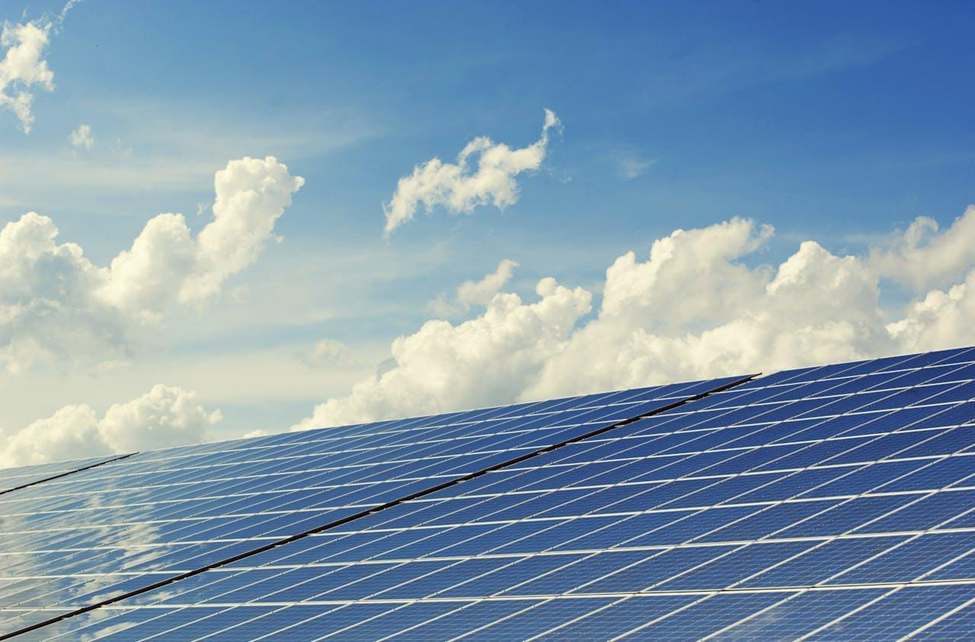
On-site solar photovoltaics supply green electricity to heat pumps. This energy may be sufficient to operate the heat pump independently of the grid. Saves cash. Solar is less expensive when it matches energy use, especially during the day. Smart equipment or batteries can help you get the most out of solar energy. Use less or more power to heat the house for better results. This combined method lowers energy costs and carbon emissions a lot.
Working Together on Planning
The quality of these items’ preparation will affect the energy-efficient makeover. Insulation reduces the need for heat pumps, and solar power is clean. Planning the strategy in one phase makes it work better and more reliably. A complete plan lays the groundwork for the future. Regardless of the regulations or energy prices, a well-designed system will perform effectively. You can easily store batteries and charge electric cars.
Cost, Comfort, and How Long It Lasts
To achieve this, structures must be more functional and comfortable. It produces fewer carbon emissions, regulates temperature, and operates with diminished noise levels. When utilised correctly, modern systems exhibit enhanced durability and necessitate reduced maintenance. Initial costs may be high, but savings and benefits can outweigh them. The construction is energy-efficient, durable, and environmentally friendly.
Long-Lasting Whole-Path Renovation
Install solar panels, heat pumps, and insulation to boost energy efficiency. This method considers the structure, not just changes. This method improves climate, comfort, and energy efficiency. Despite the rise of low-carbon alternatives, major change requires a rethink.
