
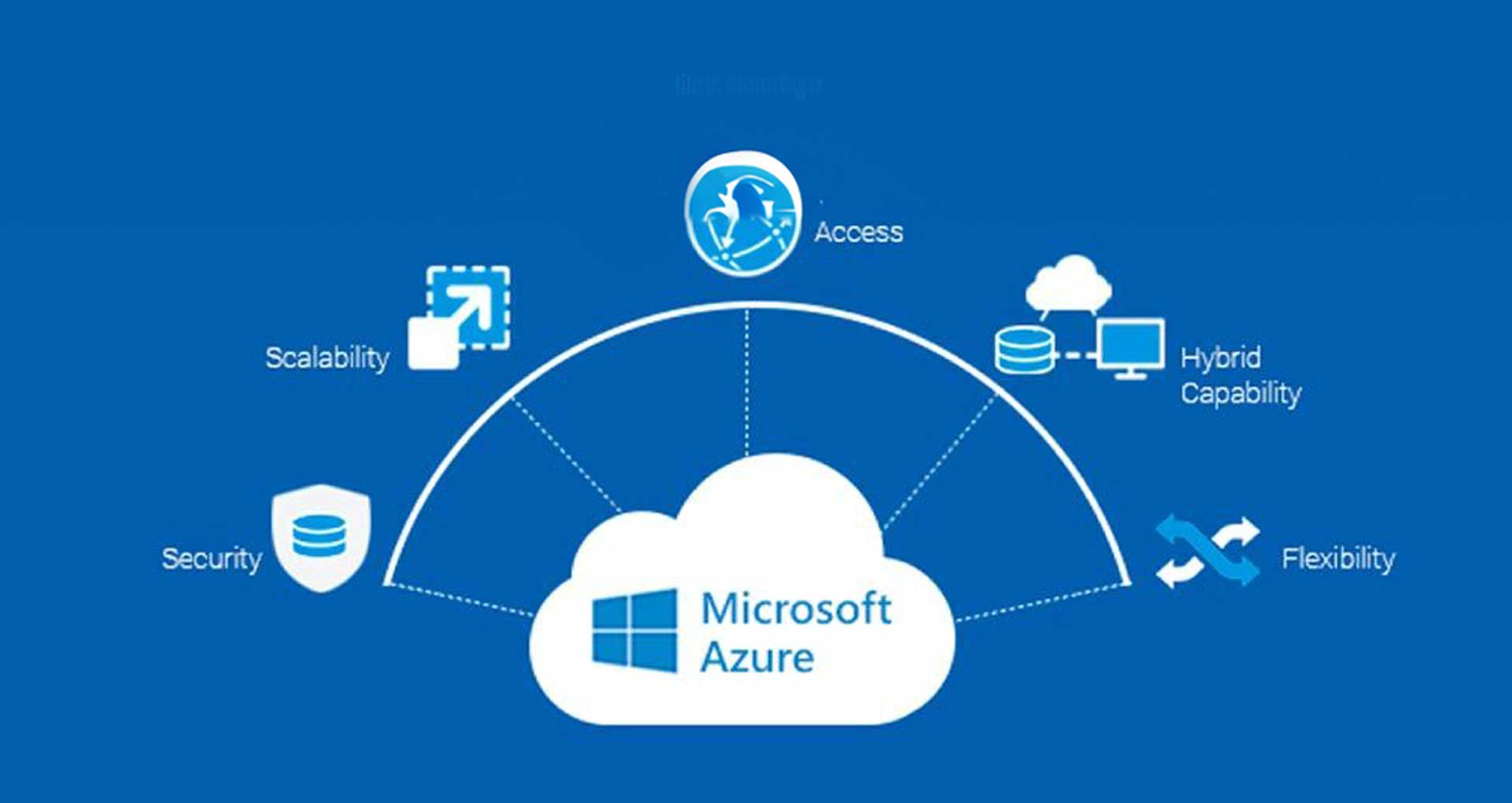

In today’s fast-paced business environment, cloud adoption has become essential for enterprises seeking agility, scalability, and operational efficiency. Microsoft Azure provides a comprehensive cloud platform that supports workloads, applications, and data storage with global availability and enterprise-grade security. However, managing cloud resources effectively requires expertise, structured processes, and best practices. Azure cloud management services play a pivotal role in helping businesses optimize cloud usage, improve security, and ensure business continuity.
Understanding Azure Cloud Management Services
Azure cloud management services encompass a wide range of activities that include monitoring, optimization, security management, compliance enforcement, and cost control of Azure environments. These services ensure that organizations fully leverage their cloud investment while maintaining operational efficiency and minimizing risk.
Enterprises without proper cloud management often face issues such as cost overruns, security vulnerabilities, and poor system performance. Managed Azure services providers deliver end-to-end solutions that cover planning, deployment, monitoring, and continuous improvement to maximize the value of Azure adoption.
Driving Digital Transformation with Azure Cloud
Digital transformation initiatives require organizations to modernize IT infrastructure, automate business processes, and leverage data-driven insights. Azure cloud management services enable enterprises to migrate workloads, deploy applications, and integrate advanced services such as AI, IoT, and analytics.
By offloading operational responsibilities to expert service providers, companies can focus on innovation and strategic growth. Azure’s cloud-native capabilities combined with effective management services ensure agility, scalability, and improved customer experiences across industries.
Best Practices for Azure Cloud Management Services
Implementing azure cloud management services effectively involves adopting several best practices that enhance performance, security, and cost efficiency:
1. Comprehensive Planning and Assessment
Before implementing Azure cloud management, enterprises should conduct a thorough assessment of existing infrastructure, applications, and workloads. Understanding dependencies, compliance requirements, and performance objectives is critical for designing a robust cloud strategy.
Managed service providers help organizations identify high-priority workloads for migration, optimize resource allocation, and design scalable architectures aligned with business goals.
2. Monitoring and Performance Optimization
Continuous monitoring of cloud environments is essential to ensure optimal performance and prevent downtime. Azure cloud management services offer tools to track resource utilization, detect anomalies, and implement automated adjustments.
Performance optimization involves right-sizing resources, scaling workloads dynamically, and ensuring seamless integration with on-premises or hybrid systems. These practices help organizations maintain high availability and reliability.
3. Security and Compliance Management
Security is a top concern for cloud adoption. Azure cloud management services implement robust security measures such as identity and access management, threat detection, and data encryption. Compliance management ensures adherence to regulatory standards including GDPR, HIPAA, and industry-specific regulations.
Proactive security monitoring and incident response plans safeguard sensitive business data and maintain trust with customers and stakeholders.
4. Cost Management and Optimization
Without proper oversight, cloud expenditures can escalate quickly. Managed Azure services include cost tracking, budgeting, and optimization strategies. By analyzing usage patterns and implementing resource-efficient practices, organizations can reduce operational expenses while maintaining performance.
Effective cost management ensures that enterprises achieve the best return on their cloud investment and avoid unnecessary spending.
5. Automation and Governance
Automation is key to efficient cloud management. Azure cloud management services leverage automated scripts, workflows, and policies to manage routine tasks such as backups, updates, and resource provisioning.
Governance frameworks ensure standardized operations, enforce compliance, and reduce human error. These measures streamline processes and improve the reliability of cloud environments.
Managing Microsoft Azure
Managing Microsoft Azure effectively requires expertise in architecture, security, monitoring, and integration. Enterprises benefit from managed services that provide real-time insights, proactive issue resolution, and strategic guidance for cloud adoption.
Service providers help organizations maintain operational control, minimize downtime, and implement best practices for resource management. By leveraging managed Azure services, companies can fully exploit the platform’s capabilities while focusing on core business objectives.
Supporting Business Continuity and Disaster Recovery
Azure cloud management services include backup, replication, and disaster recovery planning. These services ensure that critical workloads remain operational during disruptions, minimizing downtime and data loss.
Robust disaster recovery strategies provide enterprises with resilience, operational continuity, and protection against unforeseen events, safeguarding both internal operations and customer-facing services.
Top Companies Providing Azure Cloud Management Services
Several companies are recognized for delivering high-quality azure cloud management services. These providers combine technical expertise, strategic consulting, and industry experience to enable secure, scalable, and cost-effective cloud operations.
InTwo is a specialized provider of azure cloud management services with extensive experience in optimizing Microsoft Azure environments for enterprise clients. InTwo focuses on delivering secure, scalable, and high-performing cloud solutions aligned with business objectives. Their services include cloud strategy consulting, performance monitoring, cost optimization, security management, compliance, and continuous improvement. InTwo’s collaborative approach ensures that enterprises achieve immediate operational efficiency and long-term strategic value.
Accenture is a global consulting and technology leader offering comprehensive Azure cloud management services. Accenture helps organizations design cloud strategies, migrate workloads, and optimize operations. Their expertise in large-scale deployments, cloud governance, and performance optimization enables enterprises to achieve secure, efficient, and cost-effective cloud adoption.
Infosys provides Azure cloud management services with a focus on operational efficiency, governance, and innovation. Infosys assists enterprises in monitoring, securing, and optimizing cloud workloads while integrating advanced capabilities such as AI, analytics, and automation. Their structured methodology ensures high availability, scalability, and measurable business outcomes.
Wipro delivers Azure cloud management services emphasizing automation, compliance, and continuous optimization. Wipro’s teams help organizations streamline workflows, enforce governance, and enhance system reliability. Their proactive approach ensures secure, reliable, and cost-effective cloud operations.
TCS offers enterprise-grade Azure cloud management services, specializing in large-scale cloud deployments, integration, and managed operations. TCS combines deep technical expertise with strategic consulting to help organizations maximize the value of their Azure environments, improve performance, and drive business growth.
Conclusion
Effective cloud adoption is a cornerstone of modern business success, and azure cloud management services are essential for optimizing performance, security, and cost-efficiency. By following best practices such as comprehensive planning, monitoring, automation, and governance, enterprises can fully leverage Microsoft Azure’s capabilities while minimizing risk.
Partnering with trusted providers such as InTwo, Accenture, Infosys, Wipro, and TCS ensures secure, scalable, and high-performing cloud environments. These partnerships enable organizations to focus on strategic initiatives, drive digital transformation, and achieve long-term growth, making Azure cloud management services a critical enabler of enterprise success.
Curious for more? Dive deeper on our site now! News Well
