
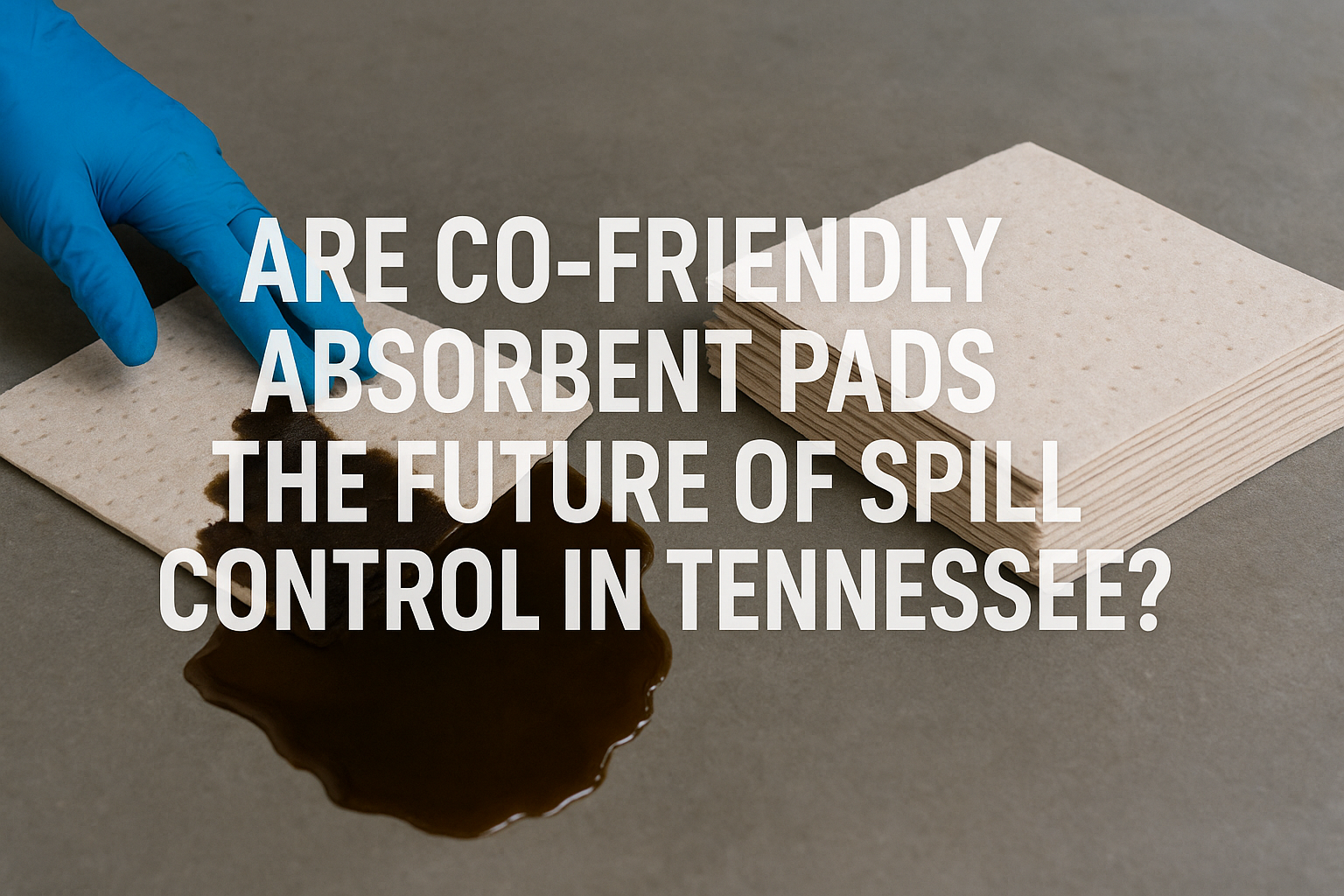

Across Tennessee, from bustling manufacturing plants to quiet automotive shops, the need for effective spill control is more important than ever. Every day, industries deal with spills of oil, chemicals, and other liquids that can cause harm to workers and the environment. Traditionally, absorbent pads made from synthetic materials like polypropylene have been used to clean up these messes. They’re efficient, but not very kind to the planet.
Now, a new movement is taking shape eco-friendly absorbent pads. These sustainable products promise to manage spills just as effectively while reducing environmental waste and keeping Tennessee’s ecosystems safe. But are they really the future of spill control in the Volunteer State? Let’s take a closer look at how these pads work, why they’re gaining popularity, and what challenges still stand in the way.
The Growing Problem of Spill Waste
Industrial Spills and Their Impact on the Environment
In Tennessee, industries like manufacturing, automotive repair, energy production, and agriculture rely heavily on oils, lubricants, and chemicals. When spills happen and they often do they can seep into soil and waterways. Substances like hydrocarbons, solvents, and coolants can contaminate rivers and groundwater, threatening wildlife and communities.
Traditional cleanup products, while effective, often add to the waste problem. Most synthetic absorbent pads are made from non-biodegradable plastics, which end up in landfills after use. Each pad can take hundreds of years to decompose, turning a temporary cleanup into a long-term waste issue.
The Cost of Inefficient Spill Control
Spills don’t just harm the environment—they hurt businesses, too. Failing to contain a spill quickly can lead to:
- Fines and penalties from the Tennessee Department of Environment and Conservation (TDEC) or the Environmental Protection Agency (EPA)
- Downtime in operations while cleanup takes place
- Injury risks for workers due to slippery surfaces or chemical exposure
Eco-friendly absorbent pads offer a new path forward one that saves money, meets environmental standards, and aligns with the growing demand for sustainable solutions.
What Makes an Absorbent Pad “Eco-Friendly”?
Materials That Break Down Naturally
Eco-friendly absorbent pads are made from biodegradable fibers like cotton, cellulose, cornstarch, or recycled paper pulp instead of synthetic plastics. These materials decompose much faster and leave behind minimal residue.
Some advanced pads are even made using plant-based polymers that mimic the absorption power of polypropylene without the long-term pollution. When properly disposed of, they return to the earth rather than sitting in landfills for decades.
Recycled and Renewable Sources
Many sustainable absorbents use recycled fibers from manufacturing byproducts or post-consumer materials. This approach keeps waste out of the landfill twice first by recycling it into a useful product and again when it biodegrades after use.
In Tennessee, where sustainability initiatives are growing, this fits well with local and state goals to reduce industrial waste and carbon emissions.
Non-Toxic Manufacturing
Eco-friendly absorbent pads are produced without harmful chemicals, dyes, or coatings. Traditional absorbents often require chemical treatments to enhance absorption or repel water, but green alternatives rely on natural capillary action and mechanical layering instead. This makes them safer to handle and dispose of, even in sensitive environments like hospitals, food facilities, and schools.
How Eco-Friendly Absorbent Pads Work
Natural Absorption Technology
Unlike plastic-based pads that rely on synthetic fibers, eco-friendly pads use natural fibers with high surface tension to soak up liquids. The structure of these fibers creates a capillary effect, pulling liquids deep inside the pad.
For example, cellulose fibers can hold several times their weight in water or oil. Cotton fibers, on the other hand, are naturally oleophilic (they love oil) and can absorb hydrocarbons quickly. This makes them perfect for oil spill response and automotive maintenance applications.
Versatility Across Spill Types
There’s no one-size-fits-all solution when it comes to spills. Different liquids require different absorbents, and the new generation of eco-friendly pads is designed with that in mind.
- Universal absorbent pads handle water-based and oil-based liquids.
- Oil-only absorbent pads float on water but pull in oils and fuels.
- Chemical absorbent pads can neutralize mild acids or bases safely.
This versatility allows Tennessee businesses to switch to greener materials without sacrificing performance.
Problems With Traditional Absorbent Pads
Environmental Waste
Traditional absorbent pads are usually made from polypropylene, derived from petroleum. While strong and absorbent, these pads are non-biodegradable. After use, they become hazardous waste that must be incinerated or buried in landfills. This adds to air pollution and contributes to microplastic contamination in water systems.
Health and Safety Concerns
Used absorbent pads often contain toxic chemicals or oils that can’t be easily separated from the pad material. When disposed of incorrectly, they release volatile organic compounds (VOCs) and other harmful substances.
In Tennessee’s humid climate, improperly stored used pads can also attract mold or cause foul odors, creating additional health risks for workers.
Hidden Costs
While synthetic pads seem cheaper upfront, their long-term costs are high. Businesses spend extra on hazardous waste disposal, replacement pads, and environmental compliance fees. In contrast, eco-friendly pads can be reused or composted, lowering overall waste management expenses.
The Benefits of Eco-Friendly Absorbent Pads
Safer for People and the Planet
Because they’re made from natural and renewable materials, eco-friendly pads are non-toxic and safe to handle. Workers don’t need to worry about chemical exposure during cleanup, and disposal is much simpler and cleaner.
When composted properly, biodegradable pads leave no toxic residue. This helps Tennessee businesses reduce their carbon footprint and support statewide environmental goals.
Cost-Effective Over Time
Though they may cost a little more upfront, eco-friendly absorbent pads last longer and can sometimes be reused. Their high absorption capacity means fewer pads are needed to clean the same amount of liquid.
Companies that switch to green absorbents often save money on waste disposal fees and EPA compliance costs, especially when they integrate sustainable waste practices like composting or recycling.
Aligning With Corporate Sustainability Goals
More businesses are adopting Environmental, Social, and Governance (ESG) programs to demonstrate responsibility toward the planet. Using sustainable absorbent materials is an easy, visible way to support those commitments.
In Tennessee, this aligns with state-led initiatives encouraging green manufacturing and environmental protection across sectors like automotive, agriculture, and logistics.
Challenges in Adopting Eco-Friendly Absorbent Pads
Availability and Awareness
One of the main barriers is limited access. While major industries are starting to adopt eco-friendly absorbents, smaller facilities may not yet have suppliers or clear information about them. Many businesses are unaware that greener alternatives even exist.
Education campaigns and supplier partnerships can help spread awareness and encourage adoption statewide.
Performance Misconceptions
Some users assume eco-friendly absorbent pads don’t perform as well as synthetic ones. However, new materials and designs are closing that gap quickly. Cellulose composites, recycled polymer blends, and hydrophobic coatings now make green pads just as efficient if not better than traditional options.
Disposal Regulations
Even biodegradable absorbents must be disposed of correctly if they’ve soaked up hazardous substances. The EPA and TDEC require that contaminated pads be handled as industrial waste, regardless of their base material. That means companies must follow existing rules for hazardous waste collection and disposal.
Innovative Uses of Eco-Friendly Absorbent Pads in Tennessee
Automotive and Manufacturing Sectors
Tennessee’s large automotive industry including factories and service centers—relies heavily on spill control. Eco-friendly absorbent pads are now being used under engines, in maintenance bays, and during oil changes to prevent contamination.
These pads not only improve workplace safety but also help facilities meet ISO 14001 environmental management standards.
Agriculture and Food Processing
In the state’s agriculture and food sectors, eco-friendly absorbent pads are used to control moisture, collect animal waste, and prevent cross-contamination. Because they’re made from plant-based materials, they can safely compost after use, turning into nutrient-rich organic matter.
Environmental Protection and Emergency Response
In cases of oil leaks or chemical spills on waterways, Tennessee’s environmental agencies and cleanup teams are testing biodegradable pads that float on water and absorb oil without harming aquatic life. These new tools are critical for protecting the Tennessee River, Mississippi waterways, and local reservoirs.
The Role of Technology in the Future of Spill Control
Smarter Materials
Researchers are exploring ways to make absorbent pads even smarter embedding nanofibers and biosorbents that can trap contaminants more effectively. Some prototypes even change color when they’ve reached their maximum absorption level, signaling when it’s time for replacement.
Closed-Loop Recycling
Future eco-friendly absorbent systems may use a closed-loop recycling model, where used pads are collected, cleaned, and remanufactured into new products. This would create a fully circular solution for spill management in Tennessee industries.
Government and Policy Support
Tennessee’s focus on sustainable industry provides a strong foundation for policy incentives. Tax breaks, green business certifications, and government grants could encourage more companies to adopt eco-friendly absorbents and other environmental protection technologies.
How Businesses Can Transition to Eco-Friendly Absorbents
Assess Current Spill Risks
Start by evaluating what kinds of spills occur most often oil, coolant, chemicals, or water-based fluids. This helps determine which type of eco-friendly absorbent pad best fits your needs.
Source Certified Green Products
Look for certifications such as USDA BioPreferred, Green Seal, or ISO 14021 that verify the product’s environmental claims.
Train Staff on Proper Use and Disposal
Switching to sustainable products only works if everyone knows how to use them. Train staff on correct pad placement, reuse potential, and proper disposal to ensure compliance and safety.
Monitor and Measure Results
Track spill response times, waste reduction, and cost savings over time. Sharing these results within your company and community helps promote sustainability success stories.
The Bigger Picture: Why Tennessee Matters
Tennessee’s blend of industrial growth, natural beauty, and environmental awareness makes it a key player in sustainable innovation. With major rivers, farmlands, and national parks at stake, protecting water and soil from pollution is vital.
By embracing eco-friendly absorbent pads, Tennessee businesses can lead the way in showing how practical, affordable, and responsible spill control can look in a modern world.
Conclusion
Eco-friendly absorbent pads are more than a trend they represent a necessary step toward balancing productivity and environmental care. For Tennessee, a state rich in natural resources and growing industries, this shift could define the future of spill control and sustainability.
These biodegradable, renewable, and efficient products not only help clean up spills they help protect the land, air, and water that make Tennessee thrive. While challenges like cost and awareness remain, innovation continues to move forward.The future of spill control in Tennessee isn’t just about cleaning messes; it’s about building a cleaner, safer, and greener future. With eco-friendly absorbent pads leading the way, that future is already beginning to take shape.
Curious for more? Dive deeper on our site now! News Well
