
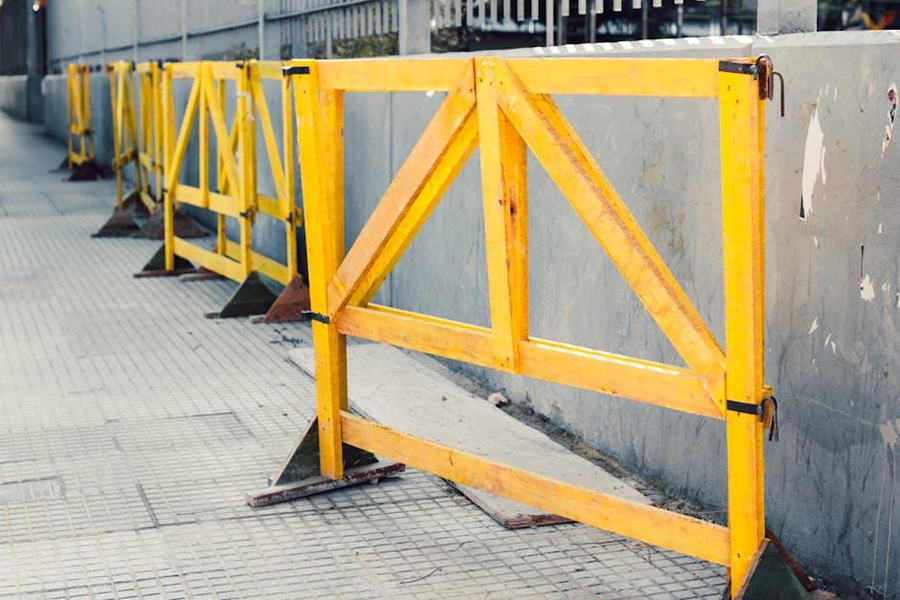

Choosing between temporary and permanent solutions in the world of physical security is never just about budgets or deadlines. Deep implications. One adapts to necessities. Long-term support comes from the other. Some see merely grey concrete, but the design’s purpose is what matters. These structures shape not just landscapes, but strategies. Project managers, councils, and the public notice it when streets are altered overnight. Understanding these differences can save money, avoid disaster, or deliver peace of mind in ways most won’t notice until the need arises.
Mobility vs. Stability
A defining line splits these two: movement. Temporary versions arrive quickly and leave with equal ease, and the whole point is flexibility. Roadworks? Festivals? These get installed and removed at a moment’s notice without crowding out traffic or requiring months of planning approval. Permanent precast concrete barriers dig their roots deep by contrast (foundations, fixing bolts), anchoring themselves for decades if needed. Those seeking quick protection choose temporary options so sites remain adaptable as schedules shift and priorities change. Yet for anyone needing long-term defence against vehicle impacts or trespassers, only something fixed can bring lasting certainty by design.
Installation and Removal
Speed often trumps grandeur when projects tick towards urgent deadlines or adapt on short notice. Here’s a key difference that gets glossed over: installation demands diverge sharply between types. Temporary models use simpler techniques, perhaps no more than a crane to drop sections in place and then some minor alignment checks before calling it done. The process is swift and scalable, so disruptions stay minimal (essential near busy junctions). Groundwork is necessary for permanent alternatives: drilling holes into tarmac or pouring foundations beneath the surface can consume days, if not weeks, due to the need to adhere to regulations on durability and safety standards that surpass those of temporary solutions.
Design Longevity
Not all concrete is equal. Early expectations, not just mix ratios, have an influence. Temporary units are sturdy enough to last yet light enough to move later. Nobody expects them to age gracefully since they’re going elsewhere. In contrast, permanent installations value robustness. Resistance to weathering, vandalism, and repetitive impacts over years or decades outweighs furniture-level finishing. Since cost reduction is not an option, engineers choose heavier construction, thicker walls, and perhaps internal reinforcement to ensure long-term durability.
Cost Implications
Spending decisions rarely pivot solely on upfront price tags, though that’s what grabs attention first every single time procurement officers gather around meeting tables with sharpened pencils ready. On paper, temporary options look cheap thanks to lower material and installation labour costs a tempting proposition, especially for tight budgets or one-off events that are unlikely to happen again at the same spot. But look more closely at long-term scenarios (think car parks, border controls, and infrastructure upgrades): recurring costs pile up if barriers must be moved, reset, or replaced repeatedly, while permanent solutions absorb investment and stand strong year after year, eventually proving cheaper per month of service.
Conclusion
Distinguishing between these two approaches changes how risks are managed and resources allocated, both now and down the line. It’s no small matter, even if most people drive past such features without a second glance each morning commute. Decisions made today echo through infrastructure lifecycles, ticking quietly beneath city life, dictating everything from daily safety levels to repair budgets years away; clarity here pays dividends, whether protecting construction crews, festival-goers, critical assets or residential areas alike, because compromising on intent rarely ends well when concrete is involved.
Curious for more? Dive deeper on our site now! News Well
