
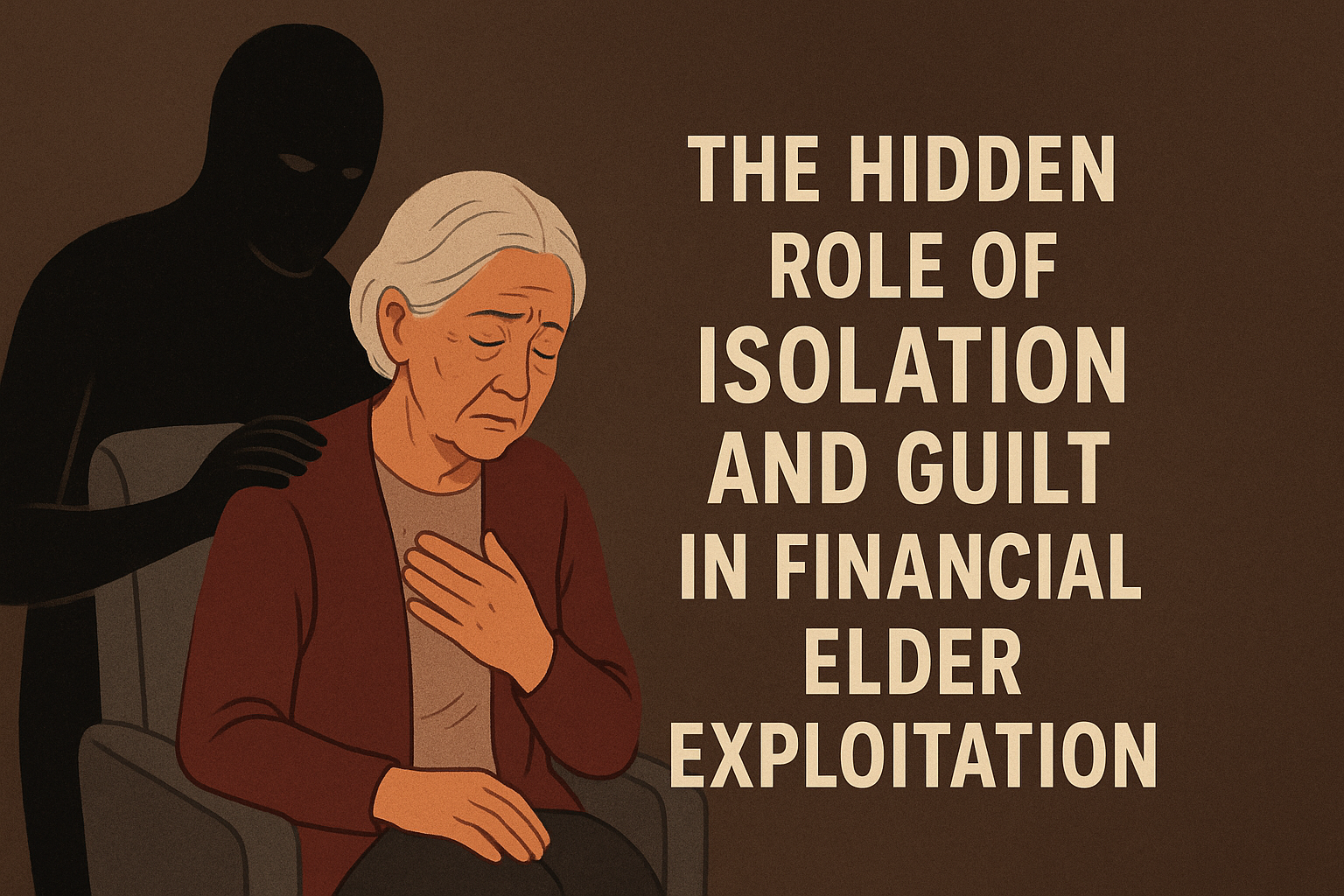

Behind closed doors, millions of older adults face a quiet but devastating threat — financial elder exploitation. It doesn’t always start with stolen credit cards or fake phone calls. More often, it begins with something far less visible: loneliness, trust, and emotional manipulation.
In countless cases across the United States, victims aren’t tricked by strangers but by people they know — family members, caregivers, or close friends. These abusers don’t always begin with bad intentions, but they often take advantage of an older person’s isolation and guilt. They manipulate emotions, blur boundaries, and slowly gain control over finances.
Understanding how emotional vulnerability becomes a gateway to financial abuse is the first step toward prevention. Let’s look deeper into the hidden emotional forces that make seniors vulnerable and how families and communities can intervene before it’s too late.
Understanding the Emotional Triggers Behind Financial Exploitation
Isolation as the First Weak Point
As people age, their social circles often shrink. Retirement, mobility issues, and the loss of loved ones can leave many seniors feeling alone. Isolation doesn’t just impact mental health — it also weakens judgment and increases dependency on anyone who shows attention or care.
Abusers exploit this loneliness by becoming indispensable. They visit often, offer help with errands, and slowly build trust. Once the bond is established, they might start making small financial “requests” or managing the victim’s money “to help out.”
The National Institute on Aging reports that socially isolated seniors are significantly more likely to experience financial manipulation. When connection is scarce, even minor gestures of kindness can create deep emotional dependence — and with it, vulnerability.
The Psychology of Guilt and Obligation
In many cases, older adults give money not because they want to, but because they feel they owe it. Abusers often use guilt as a tool. They might say things like:
- “You wouldn’t even have this money without my help.”
- “I’ve done so much for you; can’t you help me just this once?”
- “If you really cared about me, you’d understand my situation.”
This emotional pressure works because many seniors, especially those raised in eras of duty and generosity, are deeply sensitive to feelings of obligation. Guilt manipulation can lead to repeated “gifts,” secret loans, or transferring control of financial accounts — all under the guise of love or gratitude.
How Shame Keeps Victims Silent
Even when victims realize what’s happening, shame often keeps them quiet. Admitting that a trusted person is taking advantage of them can feel humiliating. Many seniors fear judgment from family members or worry about being labeled as “incapable.”
This silence allows the abuse to continue. Without oversight, financial exploitation can escalate from minor theft to total loss of savings, property, or independence. Emotional isolation and guilt become a self-reinforcing trap that’s difficult to escape.
The Hidden Patterns of Emotional Manipulation
From Caregiver to Controller
Many cases of elder financial abuse start with legitimate caregiving. A family member or friend may help with grocery shopping, bill payments, or doctor visits. Over time, this person begins to control access — managing bank cards, intercepting mail, or monitoring phone calls.
The caregiver dynamic gives the abuser both physical and emotional access. Because they appear helpful, outsiders rarely question their intentions. Meanwhile, the victim, feeling dependent and grateful, hesitates to speak up even when things feel wrong.
This gradual takeover is one of the most insidious forms of exploitation because it hides behind the appearance of care.
Emotional Grooming and Trust Building
Just like other forms of manipulation, financial elder abuse often involves emotional grooming. The abuser builds affection, loyalty, or even romantic attachment before introducing financial requests.
Common grooming behaviors include:
- Excessive flattery or praise
- Creating “us vs. them” narratives (“Your family doesn’t care like I do.”)
- Encouraging secrecy about financial matters
- Guilt-tripping or emotional blackmail
This pattern is especially common in romance scams or online friendships, where lonely seniors are targeted by strangers pretending to be companions.
The Family Factor
Financial exploitation doesn’t always come from strangers. In many cases, it happens within families. An adult child struggling with money, addiction, or entitlement might view a parent’s savings as “family wealth.”
They justify taking money as repayment for years of care or as an inheritance “given early.” The parent, driven by guilt or fear of losing contact with loved ones, often complies. This form of abuse is complex because it’s fueled by both emotional ties and dependency.
The Consequences of Emotional Exploitation
Financial Devastation and Dependency
The immediate impact of financial elder abuse is often devastating. Victims lose their retirement funds, property, or monthly income. Once the money is gone, many face financial dependency on the very person who exploited them — deepening their isolation and making escape even harder.
Mental Health Decline
Beyond the financial loss lies emotional damage. Victims often develop depression, anxiety, or loss of trust. Many struggle to form new relationships or seek help, fearing further betrayal. The combination of guilt and loneliness can spiral into hopelessness — a state that abusers exploit further.
Impact on Families and Communities
Financial elder abuse doesn’t affect only the victim. It fractures families, causes legal disputes, and strains community resources. Relatives who discover the abuse often feel guilt themselves, wondering how they missed the signs. In some cases, decades of family trust are destroyed.
Preventing Financial Elder Exploitation
Encouraging Connection and Communication
The best defense against isolation is connection. Families, neighbors, and community organizations should make regular efforts to reach out to older adults. Phone calls, social visits, and digital literacy programs help seniors feel supported and less vulnerable to emotional manipulation.
Strengthening Oversight and Financial Protection
Practical safeguards include:
- Setting up joint accounts with oversight
- Assigning ethical powers of attorney
- Enabling bank alerts for unusual activity
- Consulting with certified elder law attorneys to establish protective measures
Banks and financial institutions also play a crucial role. Many now train employees to recognize suspicious withdrawals or changes in account behavior — early signs of potential abuse.
Promoting Awareness and Early Intervention
Education is key. Families should discuss financial abuse openly, removing the stigma and shame surrounding it. If suspicious behavior arises, contact Adult Protective Services (APS) or local authorities.
Community workshops, senior centers, and health providers can also spread awareness — helping everyone recognize emotional manipulation before it escalates into financial harm.
Conclusion
Financial elder exploitation often hides behind smiles, affection, and trust. The true danger lies not only in stolen money but in the emotional manipulation that makes it possible. Isolation and guilt are powerful tools in the hands of abusers — and the only way to disarm them is through awareness, connection, and action.
Protecting older adults starts with empathy. It means checking in, asking questions, and creating safe spaces for seniors to speak without fear or shame. When families, communities, and institutions work together, exploitation loses its power — and older adults can live their later years with the dignity, safety, and peace of mind they deserve.
Curious for more? Dive deeper on our site now! News Well
